

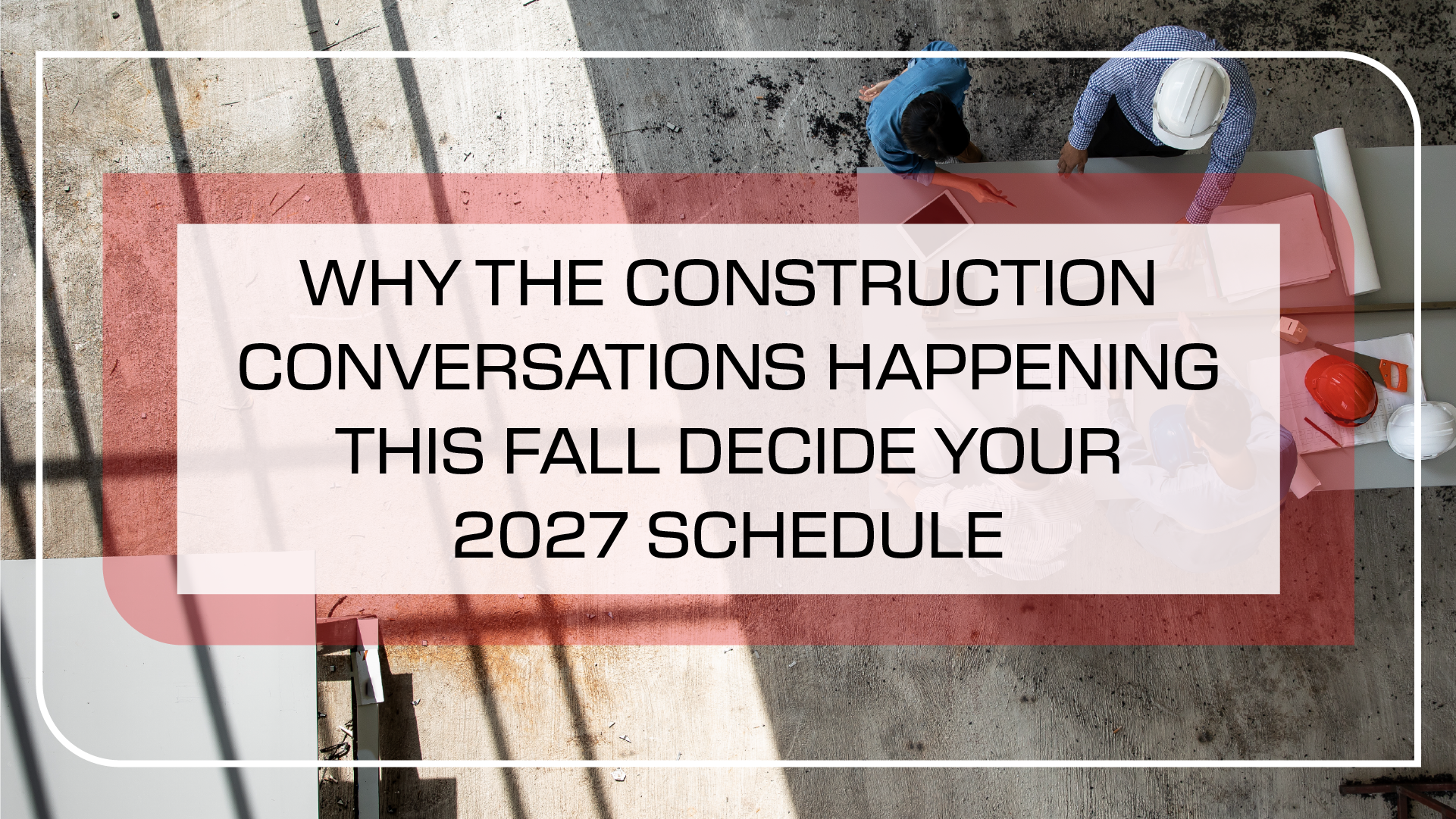
Why the Construction Conversations Happening This Fall Decide Your 2027 Schedule
September and October are when general contractors across Southeast Michigan lock in their subcontractor commitments for the next two to three quarters. This happens every year, but it matters more in a market where trade capacity is already tight. If a project is not part of that conversation by the time those commitments are made, it is planning against a pipeline that is already being built without it.
Labor Costs Are Moderating. Labor Availability Is Not.
Construction wage growth nationally has cooled meaningfully from the pace that defined the past several years, with year-over-year compensation growth now running closer to three percent than the sharper increases seen earlier in the recovery. That is a real shift, and it is a reasonable data point for owners who have been budgeting against continually escalating labor costs. But moderating wage growth is not the same thing as improving availability. The specialty trade workforce in Southeast Michigan, particularly electrical, mechanical, and structural crews, remains heavily committed to the active industrial, data center, and multifamily pipeline already under construction. Slower wage growth reflects a workforce that has stopped bidding against itself for scarce workers, not a workforce that has more open capacity.
For owners with a project targeting a late 2026 or 2027 start, this distinction matters. The cost side of the labor equation may be more predictable than it was a year ago. The availability side still requires securing a construction partner and their trade relationships well ahead of mobilization.
Financing Conditions Are Not Signaling Near-Term Relief
The Federal Reserve has held its benchmark rate steady through the summer, and recent commentary from the central bank has leaned more cautious on inflation than markets expected earlier in the year, which has pushed out expectations for near-term rate cuts. Owners and developers who have been sizing their financing assumptions around an anticipated rate reduction should treat that as a less certain bet than it looked a few months ago. Projects that only make financial sense with lower borrowing costs than are currently available carry real risk if that relief does not arrive on the timeline a pro forma assumed.
What This Means for a 2027 Project
The practical implication is straightforward. Owners and developers who want a construction start in late 2026 or any point in 2027 should be having the construction conversation now, not in the first quarter of next year. That means three things specifically: engaging a general contractor during design rather than after, getting a current preconstruction cost model that reflects this fall's material and labor conditions rather than an older estimate, and confirming trade availability for the specific window your project needs before that capacity is committed elsewhere.
None of this is about creating urgency for its own sake. It reflects how subcontractor scheduling actually works in this market. The general contractors with the strongest trade relationships are having their fall and winter capacity conversations now. Projects that are part of those conversations get access to that capacity. Projects that are not are competing for whatever is left over once those commitments are made.
Premier Is Having These Conversations Now
If you have a commercial project in Southeast Michigan targeting late 2026 or any part of 2027, the earlier that conversation starts, the more useful we can be, on cost, on schedule, and on securing the trade capacity your project will need. Reach out to the Premier Construction and Design team directly.



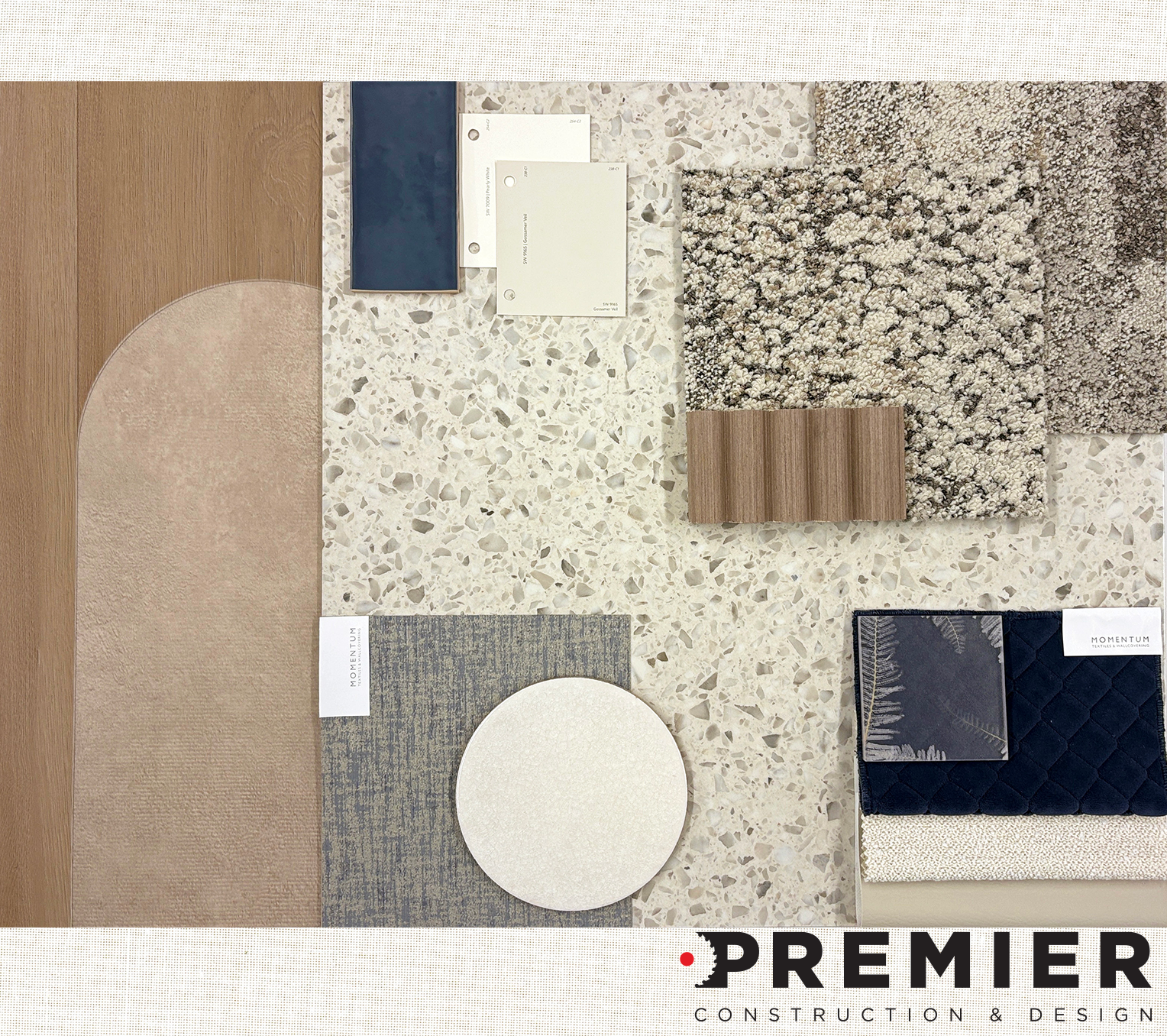
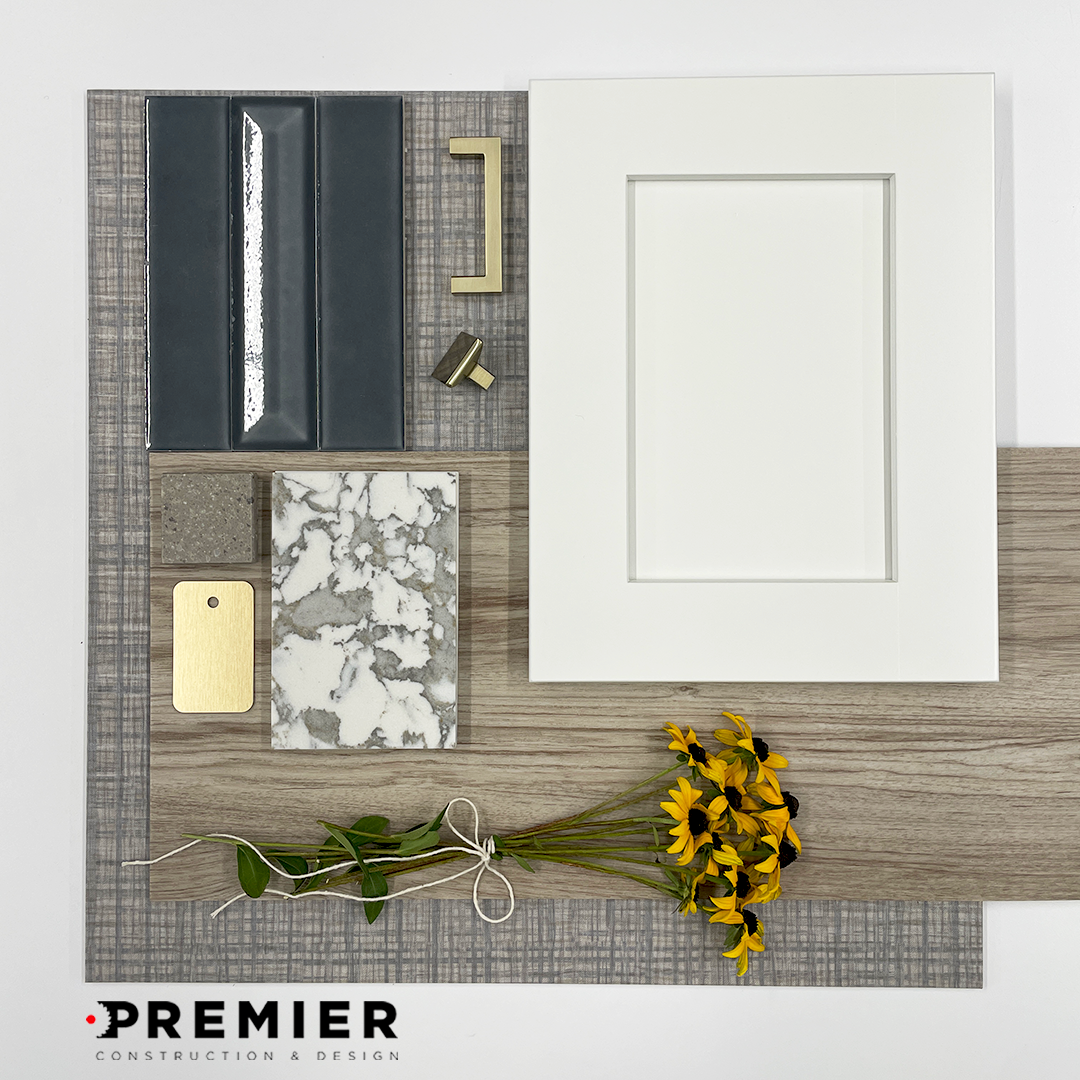
This muted palette blends soft blues and golds with clean white and natural wood grains. It’s perfect for creating interiors that evoke calm and comfort as the weather cools into autumn.

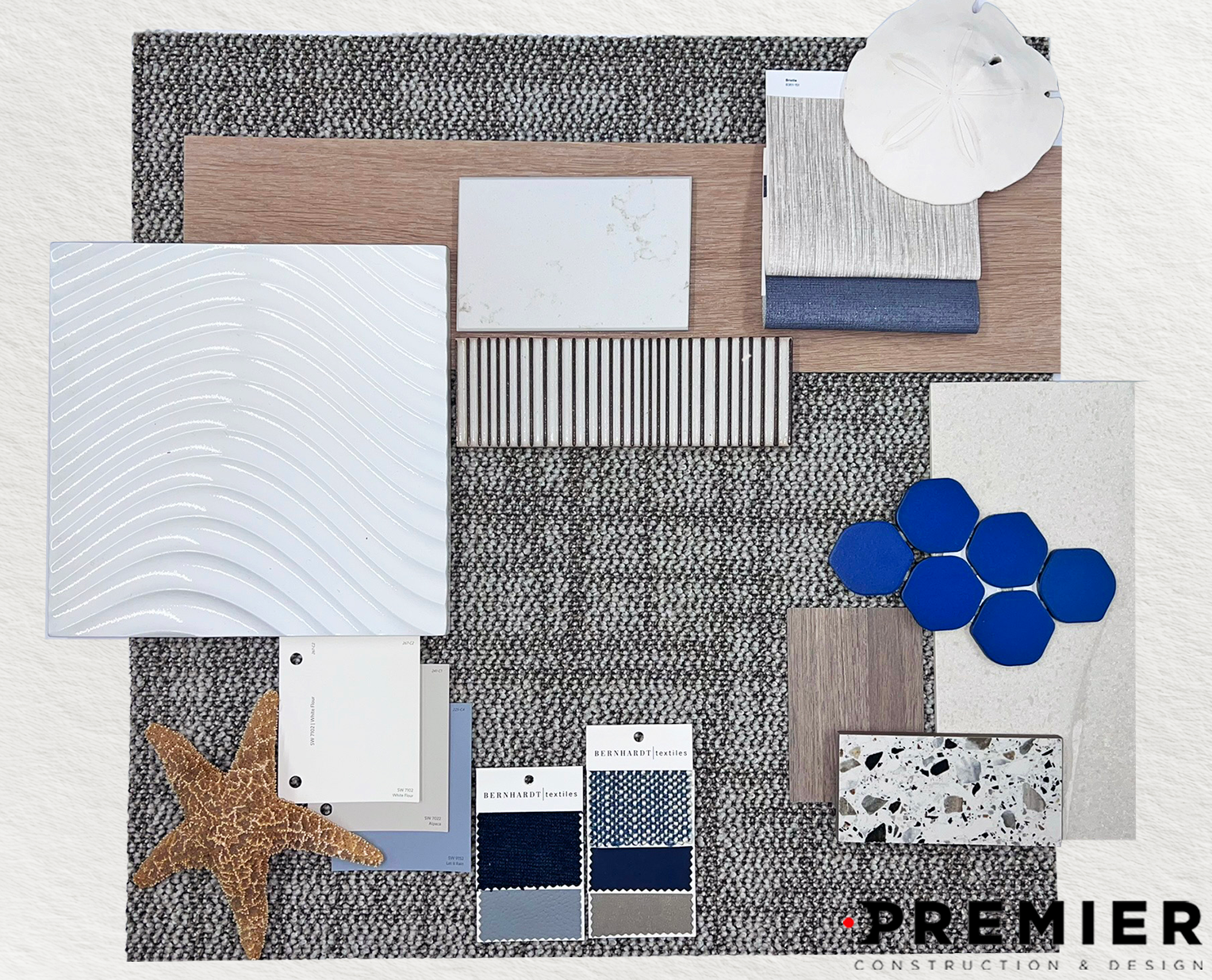
Sailing into summer with a relaxing feel. A combination of organic shapes, cool tone hues, and engaging textures can help to create a pleasant and tranquil ambiance.



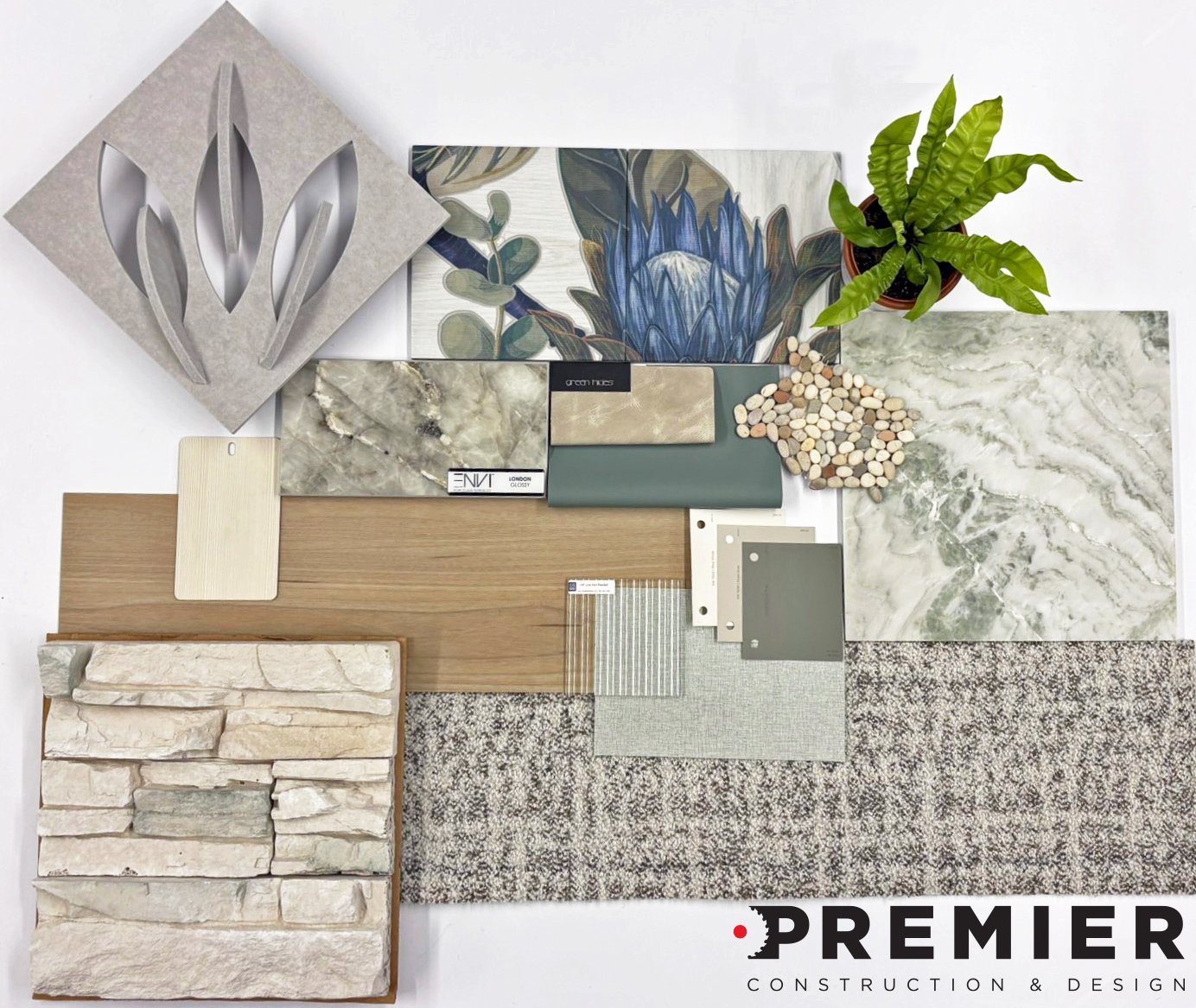
Embracing everything spring has to offer. From subtle greens and light wood tones to playful textures and patterns. We're ready for the spring season!

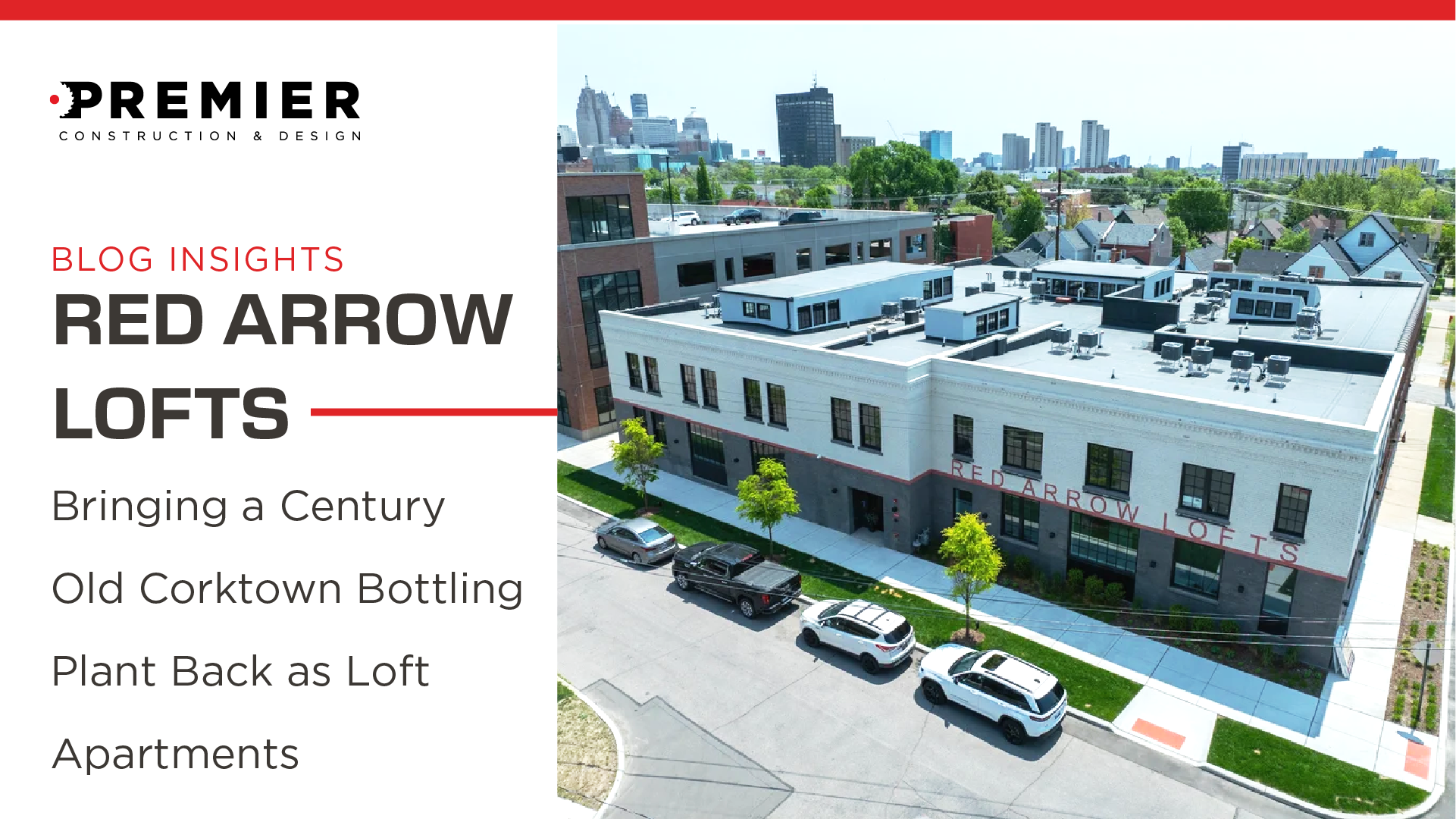
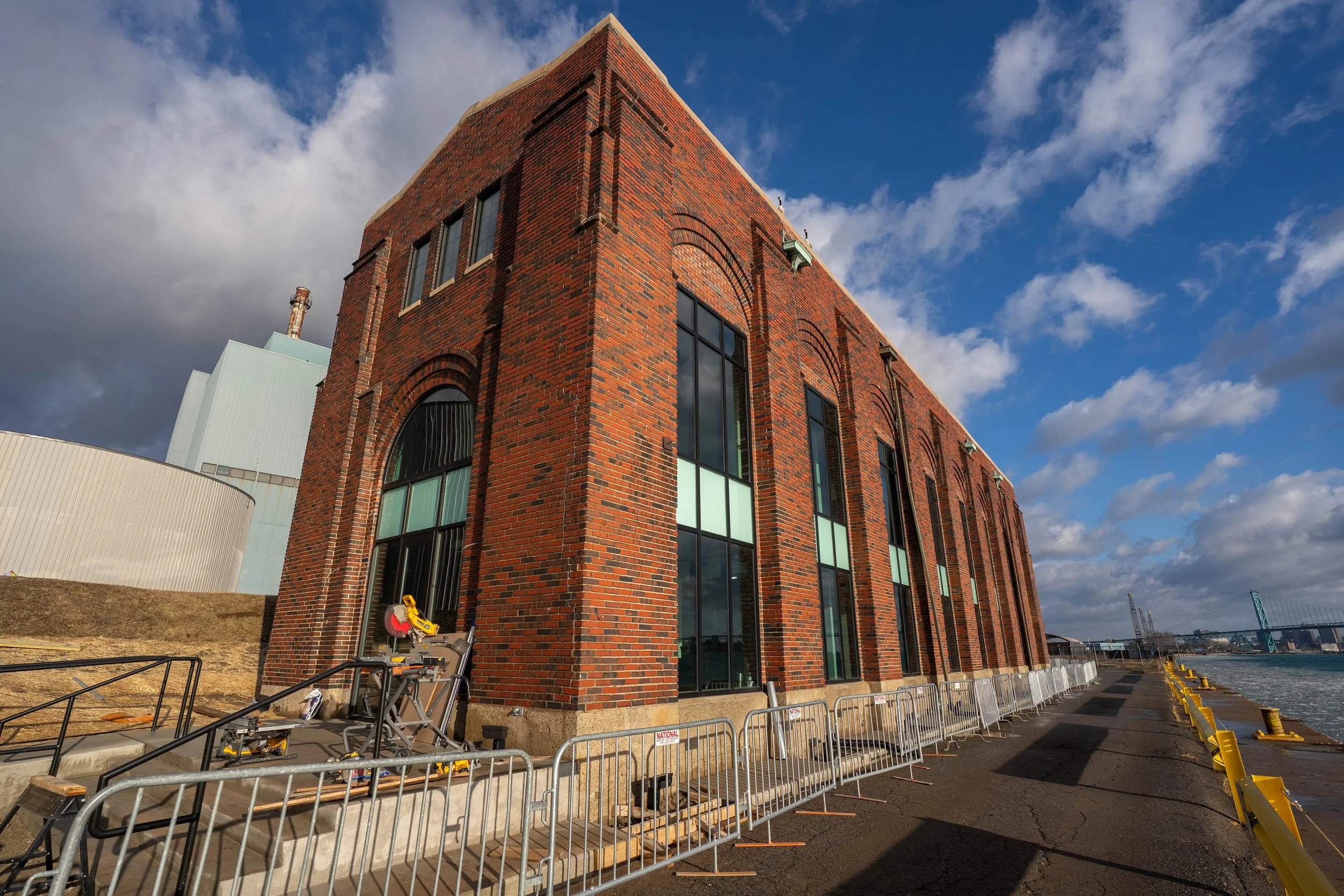
Premier Construction & Design is pleased to showcase our recent project in Corktown, Detroit, a testament to our commitment to realizing our clients' visions. This undertaking involved more than just construction; it was about integrating Design + Build processes and collaborating closely with the owners to create a unique entertainment destination that embodies the vibrant spirit of this revitalized neighborhood.

Sustainability continues to be a driving force in modern office design, with companies prioritizing eco-friendly materials, energy-efficient solutions, and biophilic elements to create healthier, more efficient work environments. By adopting these trends, businesses can reduce their carbon footprint while fostering employee well-being and productivity.

As we celebrate the New Year, we wanted to share some of the exciting projects from 2024 as we look forward to the projects we have slated for 2025!

As businesses that are focused on all things cutting edge and innovative, tech companies have often been seen as trendsetters in the world of office design. Offices for companies like Google and Facebook have been credited for driving demand for things like open plan layouts, casual atmospheres, and fun amenities like game rooms. But, as is the case for businesses in many other industries, tech companies can have some unique challenges to deal with when it comes to design.

Our January Palette of the Month ushers in the new year with a burst of energy and creativity. This vibrant collection combines bold textures, dynamic colors, and eye-catching patterns to create spaces that are both playful and sophisticated.

It’s hard to believe that 2025 is already just around the corner! Instead of looking back at the past year, we wanted to take a moment to look at what’s ahead. We’re already seeing signs of what some of the key office design trends will be in the new year. If you’re planning an office update in the near future, here are some trends you might want to keep in mind.

Glass walls are a very popular office feature for many good reasons. If you want to create space definition and add a sense of privacy without making the office feel too closed off, glass walls are a very effective way to do just that. Glass walls also help maximize access to natural lighting, can help keep noise levels under control, and can look very stylish. But if you’re interested in having glass walls in your office, there are a few different types to consider.
