

Retail and Restaurant Construction in Southeast Michigan: Why the Best Space Is Getting Harder to Find
Retail has quietly become one of the more resilient property types in Southeast Michigan's commercial real estate market. Vacancy has held near historic lows for well over a year, new retail construction has stayed disciplined rather than chasing that demand, and well-located space is being backfilled faster than at almost any point in the past decade. For owners and tenants planning a retail or restaurant buildout, that combination changes how the project should be approached from the start.
Tight Supply, Not a Building Boom
Unlike the industrial and multi-family sectors, where a construction pipeline has been actively adding new supply, retail construction in Southeast Michigan has stayed limited for most of the past decade. Vacancy across Metro Detroit has held near 5 percent, and much of what is being delivered is build-to-suit work for specific, credit-worthy tenants rather than speculative new centers. The practical effect is that owners and tenants are competing for a largely fixed inventory of retail space, and demand is not evenly distributed. Suburban corridors, particularly in Oakland and Livingston counties, are running exceptionally tight, in some cases among the tightest retail submarkets in the country, while urban core locations are still working through a more gradual recovery.
Restaurant Buildouts Are Their Own Category
Restaurant construction deserves separate treatment from general retail, both because of what it costs and because of what it requires. A restaurant buildout in this market runs meaningfully higher per square foot than a standard retail fit-out, driven by commercial kitchen equipment, grease interceptor and make-up air system requirements, and health department review that a clothing store or general retailer never has to navigate. Owners who price a restaurant buildout using retail benchmarks are working from the wrong number before the project even starts.
What Tight Supply Means for Construction Timing
When available space is limited, the construction timeline becomes part of the competitive picture, not just a project detail. A tenant that can open faster has a real advantage in securing a lease renewal or expansion option in a tight market, and a landlord who can turn a vacated space around quickly captures rent that a slower turnaround leaves on the table. That puts a premium on a general contractor who has done retail and restaurant work specifically, understands the trade sequencing that gets a buildout open faster without cutting corners, and has existing relationships with the specialty trades, particularly commercial kitchen and life-safety systems, that restaurant work depends on.
What Owners and Tenants Should Do Before They Start
Price restaurant buildouts against restaurant benchmarks, not general retail benchmarks, from the start.
Confirm health department and life-safety review requirements early; they are a common source of schedule delay on food service projects.
Ask a prospective general contractor for their specific restaurant and retail track record, not just general commercial experience.
Treat construction speed as a competitive factor in a tight-supply market, not just a cost line item.
How Premier Approaches Retail and Restaurant Construction
Premier Construction and Design has delivered retail and restaurant buildouts across Southeast Michigan with the trade relationships and sequencing experience that keep these projects on schedule in a market where timing matters. If you have a retail or restaurant project in planning, reach out to our team directly.



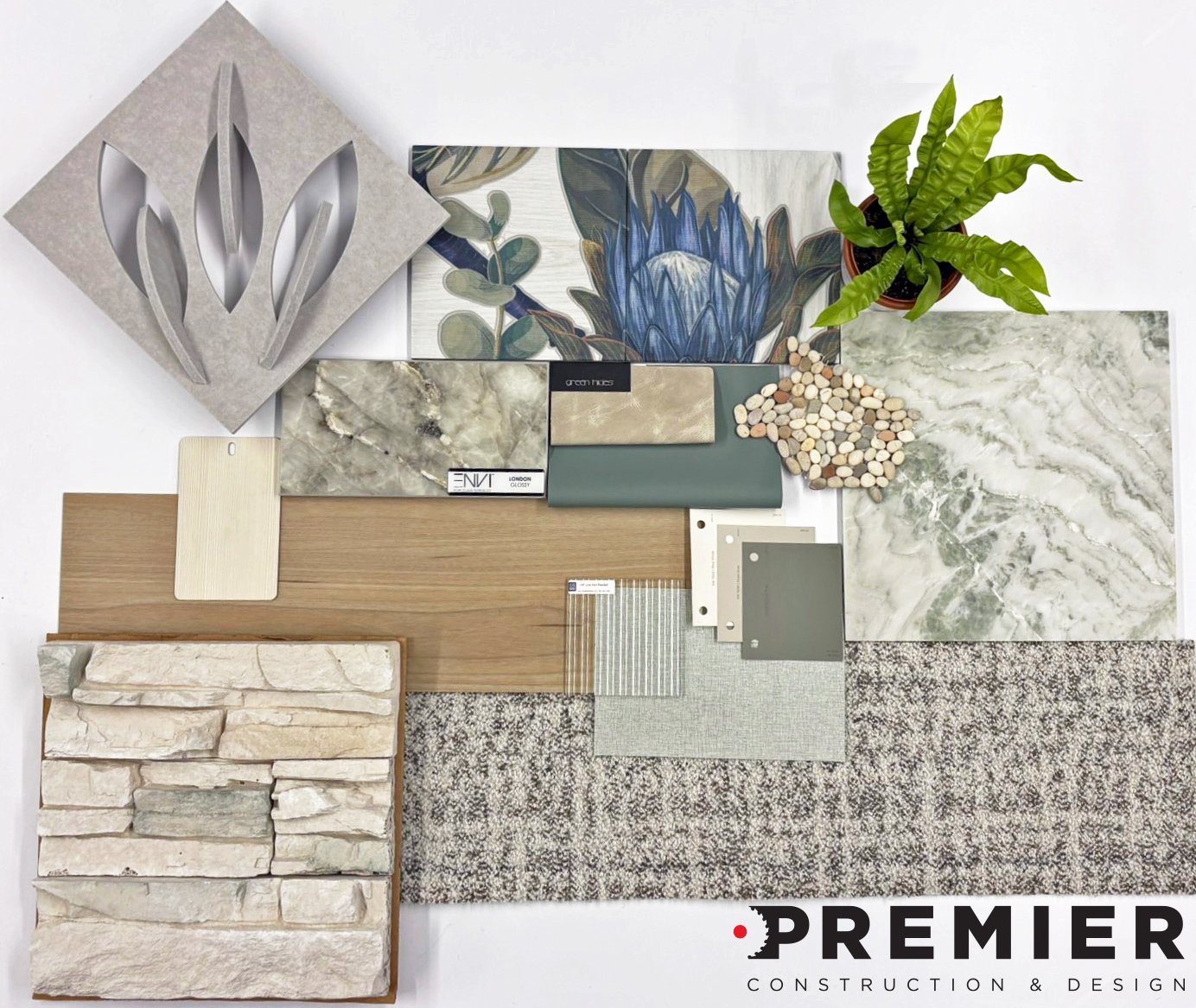
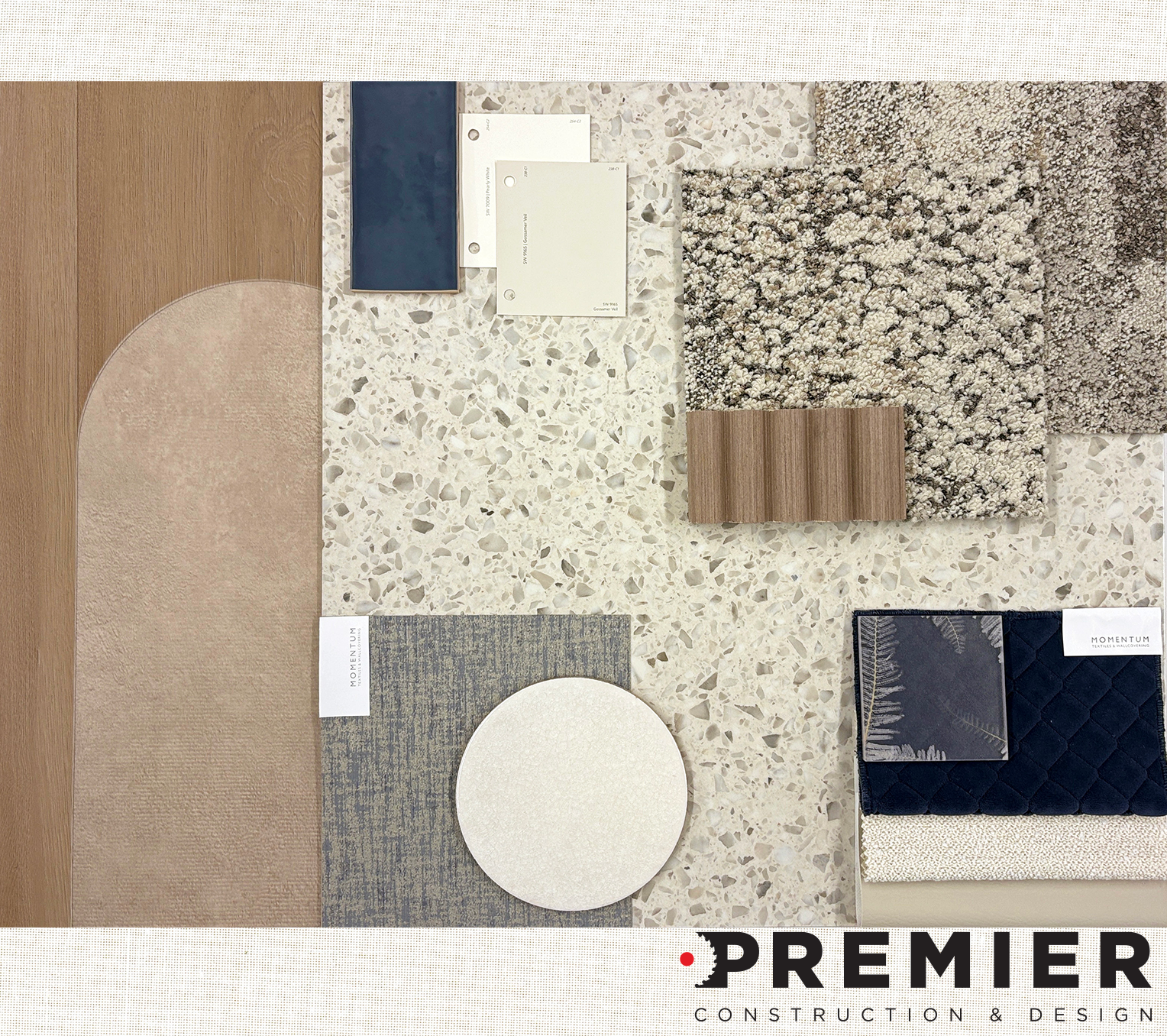
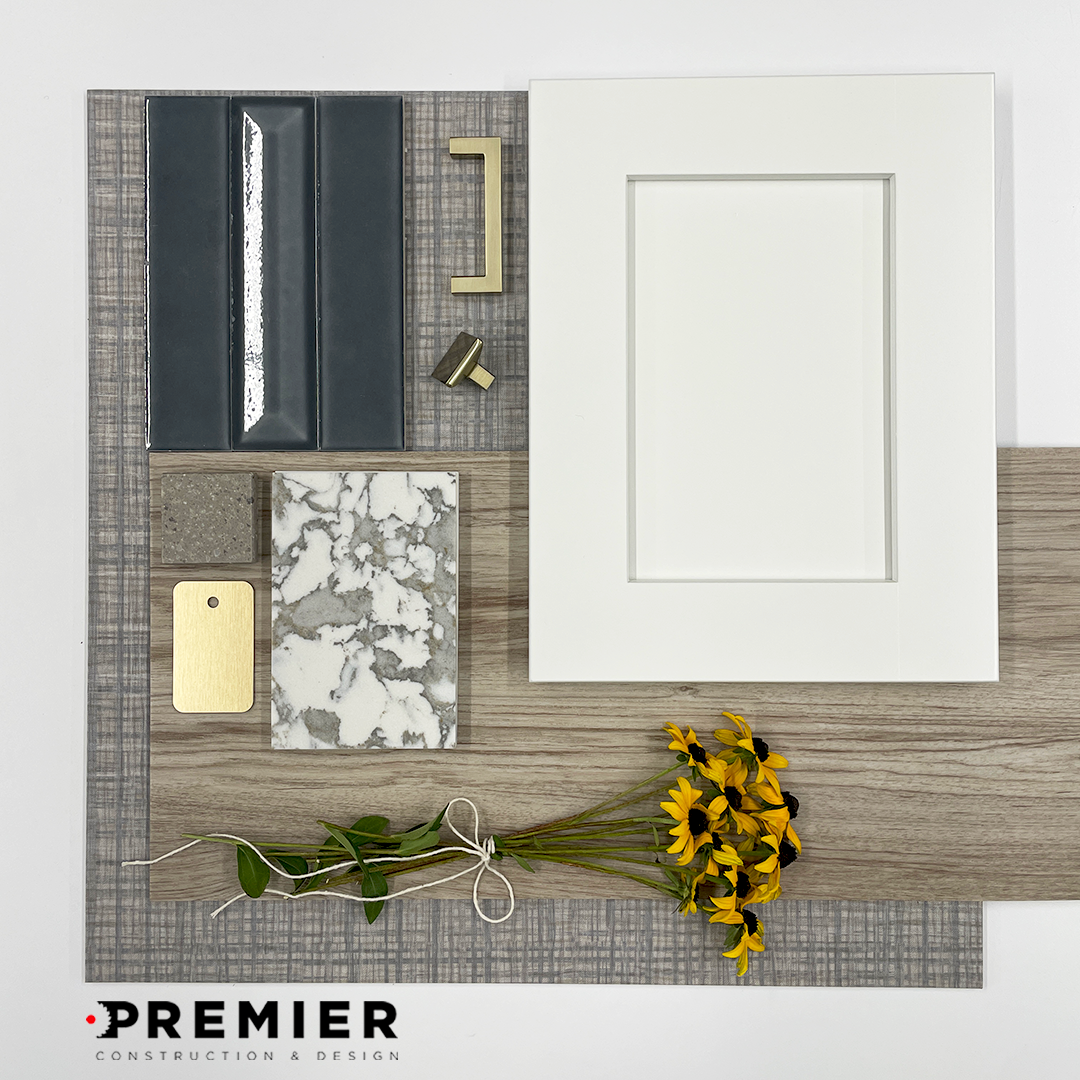
This muted palette blends soft blues and golds with clean white and natural wood grains. It’s perfect for creating interiors that evoke calm and comfort as the weather cools into autumn.

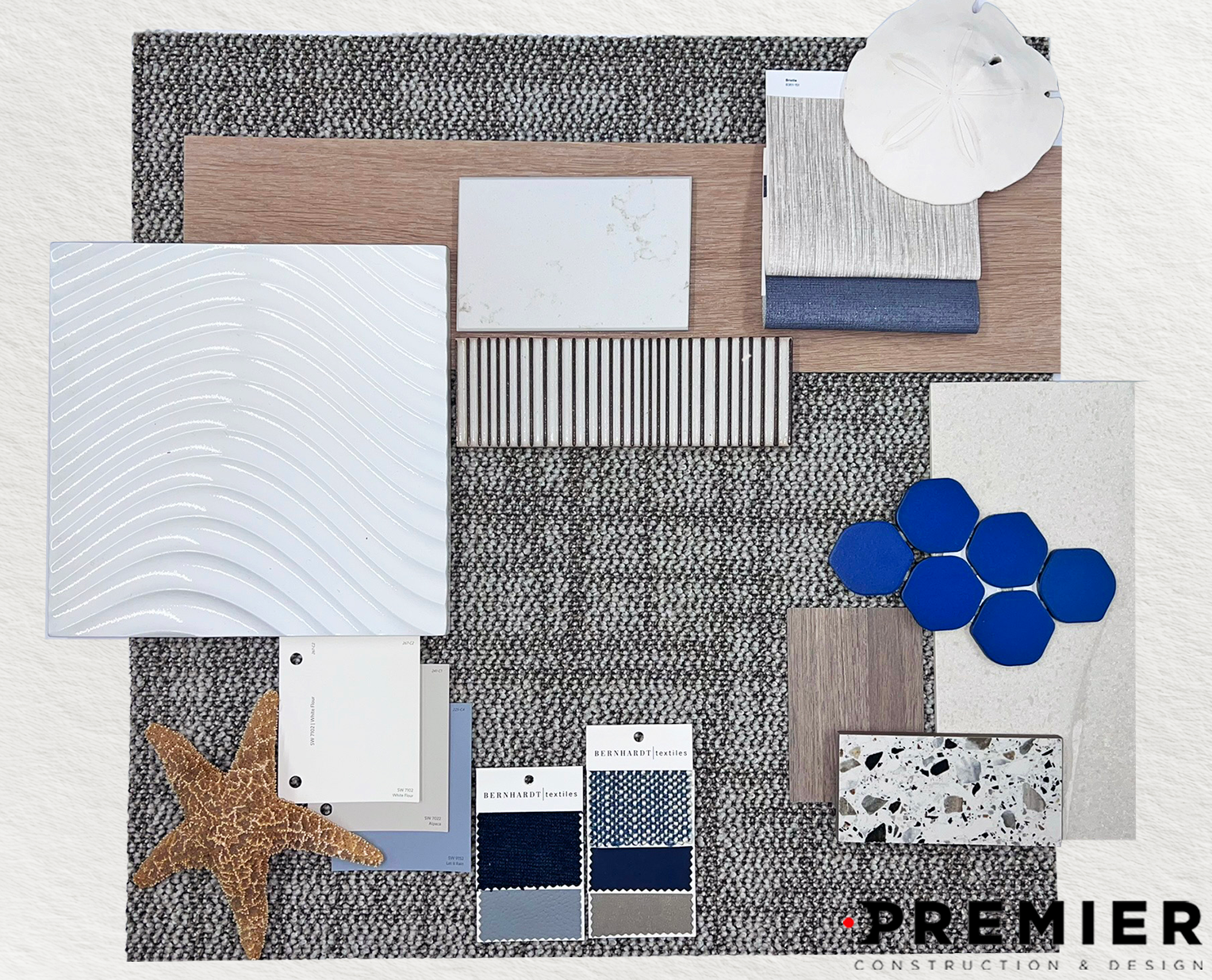
Sailing into summer with a relaxing feel. A combination of organic shapes, cool tone hues, and engaging textures can help to create a pleasant and tranquil ambiance.



Embracing everything spring has to offer. From subtle greens and light wood tones to playful textures and patterns. We're ready for the spring season!

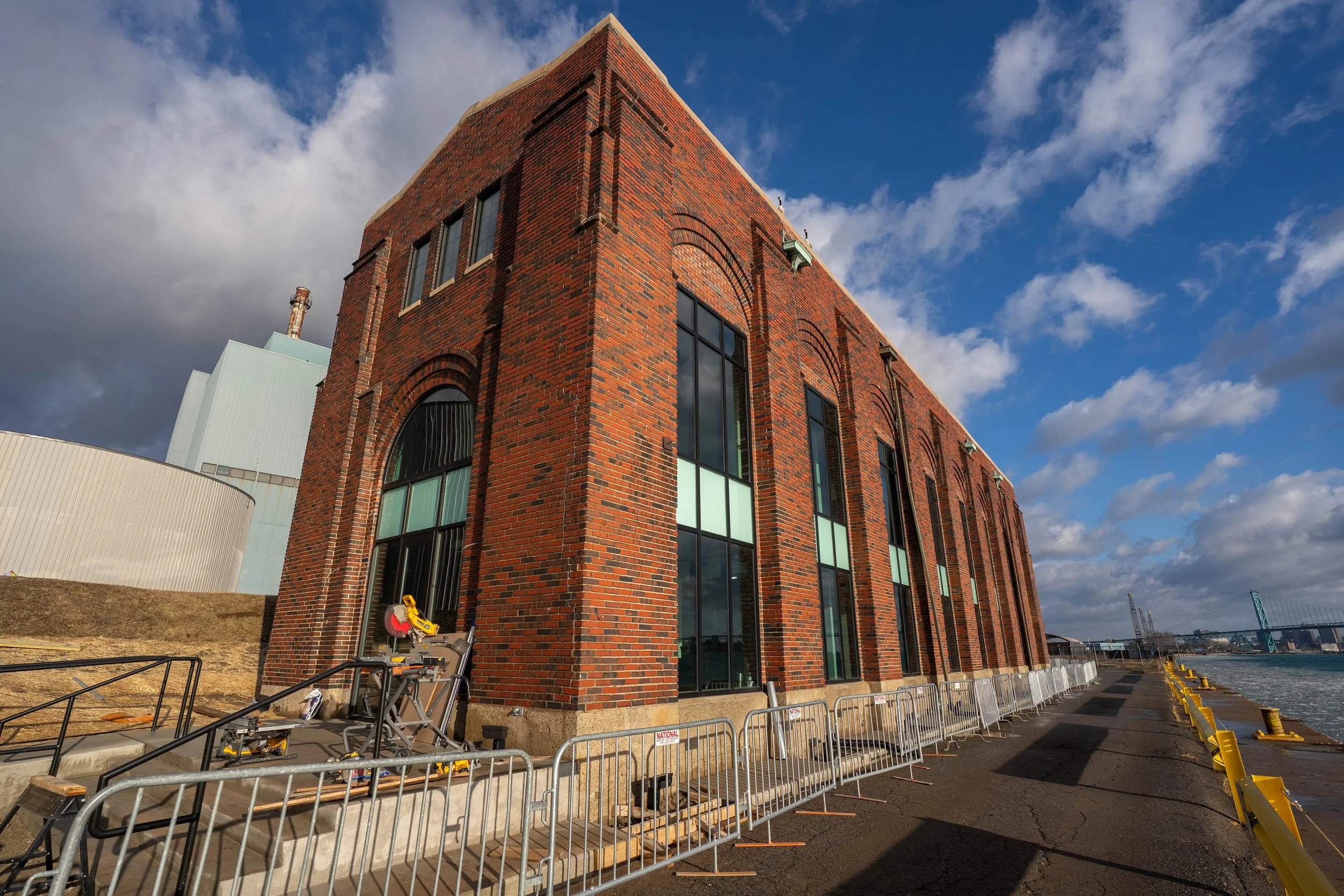
Premier Construction & Design is pleased to showcase our recent project in Corktown, Detroit, a testament to our commitment to realizing our clients' visions. This undertaking involved more than just construction; it was about integrating Design + Build processes and collaborating closely with the owners to create a unique entertainment destination that embodies the vibrant spirit of this revitalized neighborhood.

Sustainability continues to be a driving force in modern office design, with companies prioritizing eco-friendly materials, energy-efficient solutions, and biophilic elements to create healthier, more efficient work environments. By adopting these trends, businesses can reduce their carbon footprint while fostering employee well-being and productivity.

As we celebrate the New Year, we wanted to share some of the exciting projects from 2024 as we look forward to the projects we have slated for 2025!

As businesses that are focused on all things cutting edge and innovative, tech companies have often been seen as trendsetters in the world of office design. Offices for companies like Google and Facebook have been credited for driving demand for things like open plan layouts, casual atmospheres, and fun amenities like game rooms. But, as is the case for businesses in many other industries, tech companies can have some unique challenges to deal with when it comes to design.

Our January Palette of the Month ushers in the new year with a burst of energy and creativity. This vibrant collection combines bold textures, dynamic colors, and eye-catching patterns to create spaces that are both playful and sophisticated.

It’s hard to believe that 2025 is already just around the corner! Instead of looking back at the past year, we wanted to take a moment to look at what’s ahead. We’re already seeing signs of what some of the key office design trends will be in the new year. If you’re planning an office update in the near future, here are some trends you might want to keep in mind.

Glass walls are a very popular office feature for many good reasons. If you want to create space definition and add a sense of privacy without making the office feel too closed off, glass walls are a very effective way to do just that. Glass walls also help maximize access to natural lighting, can help keep noise levels under control, and can look very stylish. But if you’re interested in having glass walls in your office, there are a few different types to consider.

Our December Palette of the Month embodies excitement and sparkle as we embrace the holiday spirit. Enjoy this warmhearted palette as we prepare for the winter months!

Our November Palette of the Month evokes seasonal emotions and celebrates traditional autumnal hues with delightful, rich textiles and classic materials.

When you’re in the process of planning an office renovation, one important feature to think about is the flooring for your new space.

Our November Palette of the Month evokes seasonal emotions and celebrates traditional autumnal hues with delightful, rich textiles and classic materials.

The concept of businesses using social media as a marketing tool isn’t new. But the ways companies are using it has shifted in recent years and it’s started demand for a new type of office feature: content creation studios.
