

October is Careers in Construction Month, a national campaign that has run every year since 2005 to raise awareness of skilled trades careers and help build the workforce the industry needs. It is easy to treat this as an internal hiring or education topic that belongs to contractors and trade schools. For owners with a project in planning or under construction, it is worth understanding why this pipeline affects them directly.
The Workforce Conversation Is a Schedule Conversation
Every construction blog this year has touched on some version of the same theme: specialty trades in Southeast Michigan, particularly electrical, mechanical, and structural crews, remain heavily committed to an active industrial, healthcare, and multifamily pipeline. That is a labor supply story, and labor supply stories are schedule stories for owners. A general contractor's ability to staff a project on time depends directly on whether the broader industry is successfully bringing new skilled workers into the trades faster than experienced ones retire or move on. When that pipeline is thin, every owner's project schedule carries more risk, regardless of how well-run the general contractor is.
Construction Is a Genuinely Strong Career Path
Part of what Careers in Construction Month exists to correct is a persistent perception gap. Skilled trades careers, electricians, plumbers, HVAC technicians, structural and finish carpenters, offer real earning potential, a clear path from apprenticeship to journeyman to supervisory and ownership roles, and none of the student debt that comes with a four-year degree. These are careers, not just jobs, and the industry has historically undersold that reality to students, career-changers, and their families.
What This Looks Like Beyond One Month
A single month of awareness content does not fix a workforce pipeline on its own. The contractors making a real difference are the ones treating workforce development as a standing part of how they operate: consistent engagement with trade schools and apprenticeship programs, mentorship for early-career tradespeople on active jobsites, and internal paths for laborers and apprentices to grow into supervisory roles rather than leaving the industry once they hit a ceiling. That consistency matters more than any single October campaign, but the campaign is still a useful moment to talk about it publicly.
What Owners Can Take From This
When evaluating a general contractor, it is worth asking not just about current project capacity but about how that contractor is investing in workforce development for the next several years. A contractor with a genuine pipeline of apprentices and early-career tradespeople coming up is a better long-term partner than one relying entirely on a workforce that is aging out without replacement. That is not an abstract concern. It is a direct predictor of whether your project, and the next one after it, gets built on schedule.
Premier's Commitment
Premier Construction and Design supports the skilled trades pipeline as a standing priority, not a once-a-year observance, because the strength of our workforce is the strength of every schedule we commit to. If you are considering a career in construction, or evaluating a construction partner for your next project, reach out to our team.






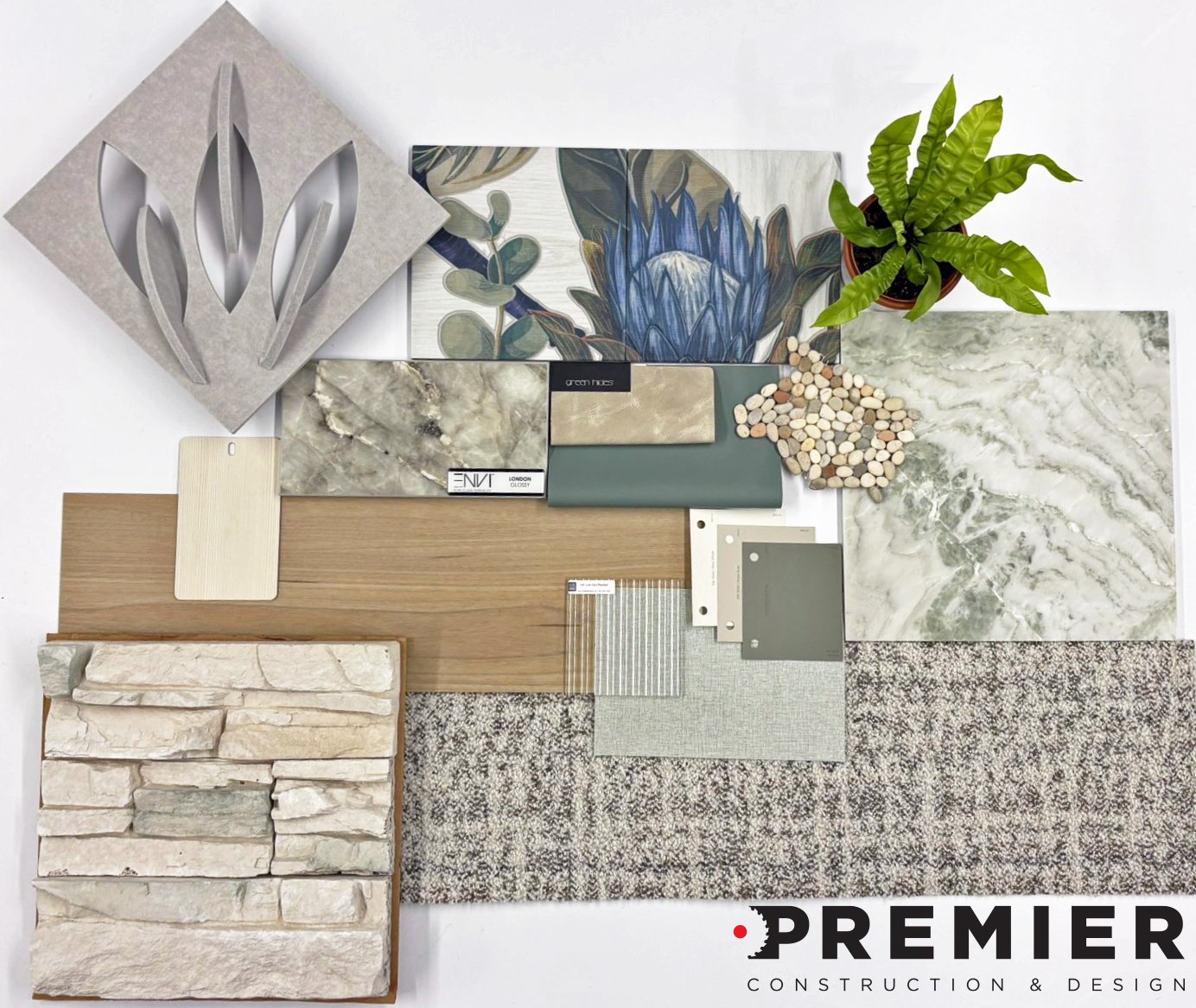
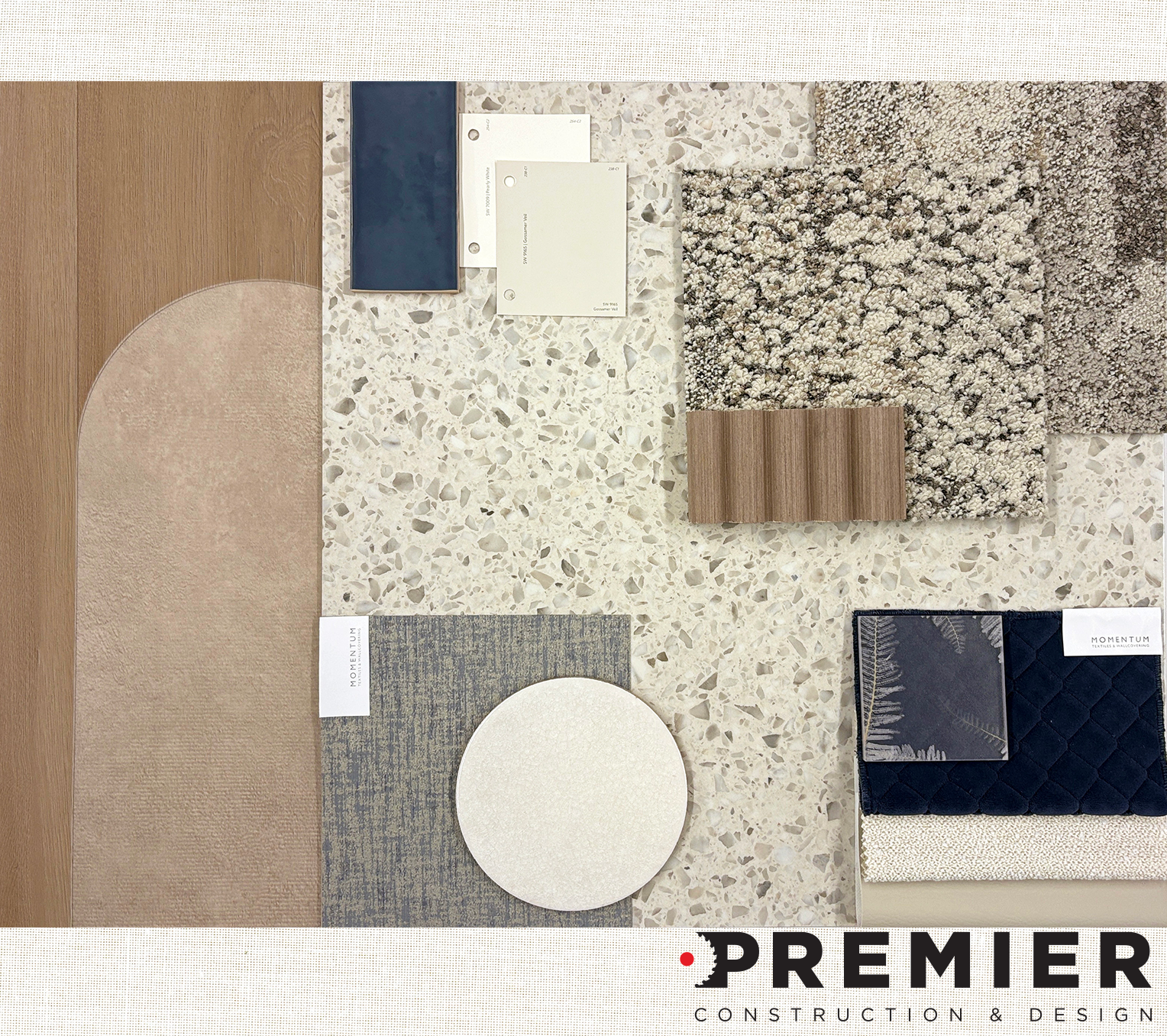

This muted palette blends soft blues and golds with clean white and natural wood grains. It’s perfect for creating interiors that evoke calm and comfort as the weather cools into autumn.

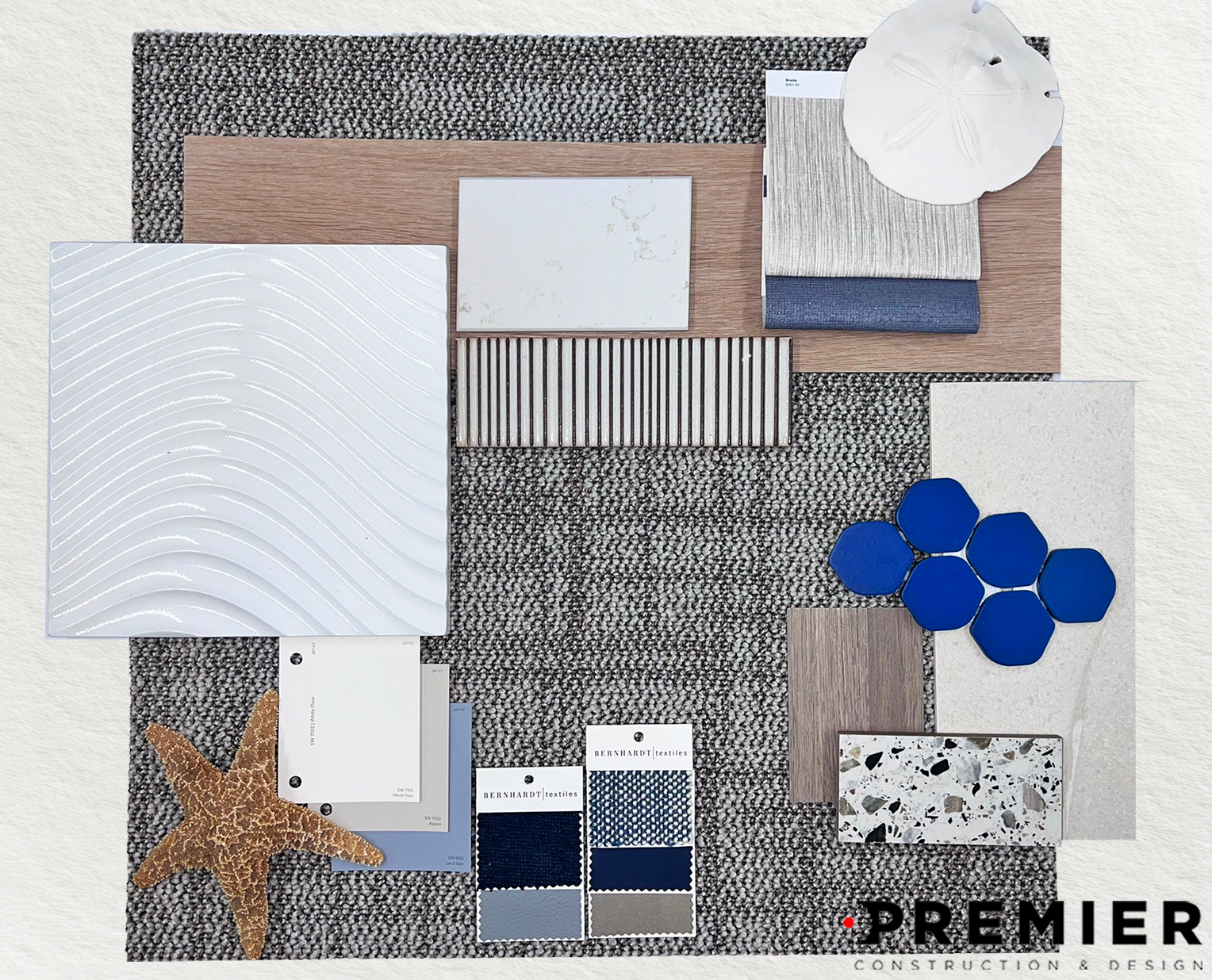
Sailing into summer with a relaxing feel. A combination of organic shapes, cool tone hues, and engaging textures can help to create a pleasant and tranquil ambiance.



Embracing everything spring has to offer. From subtle greens and light wood tones to playful textures and patterns. We're ready for the spring season!

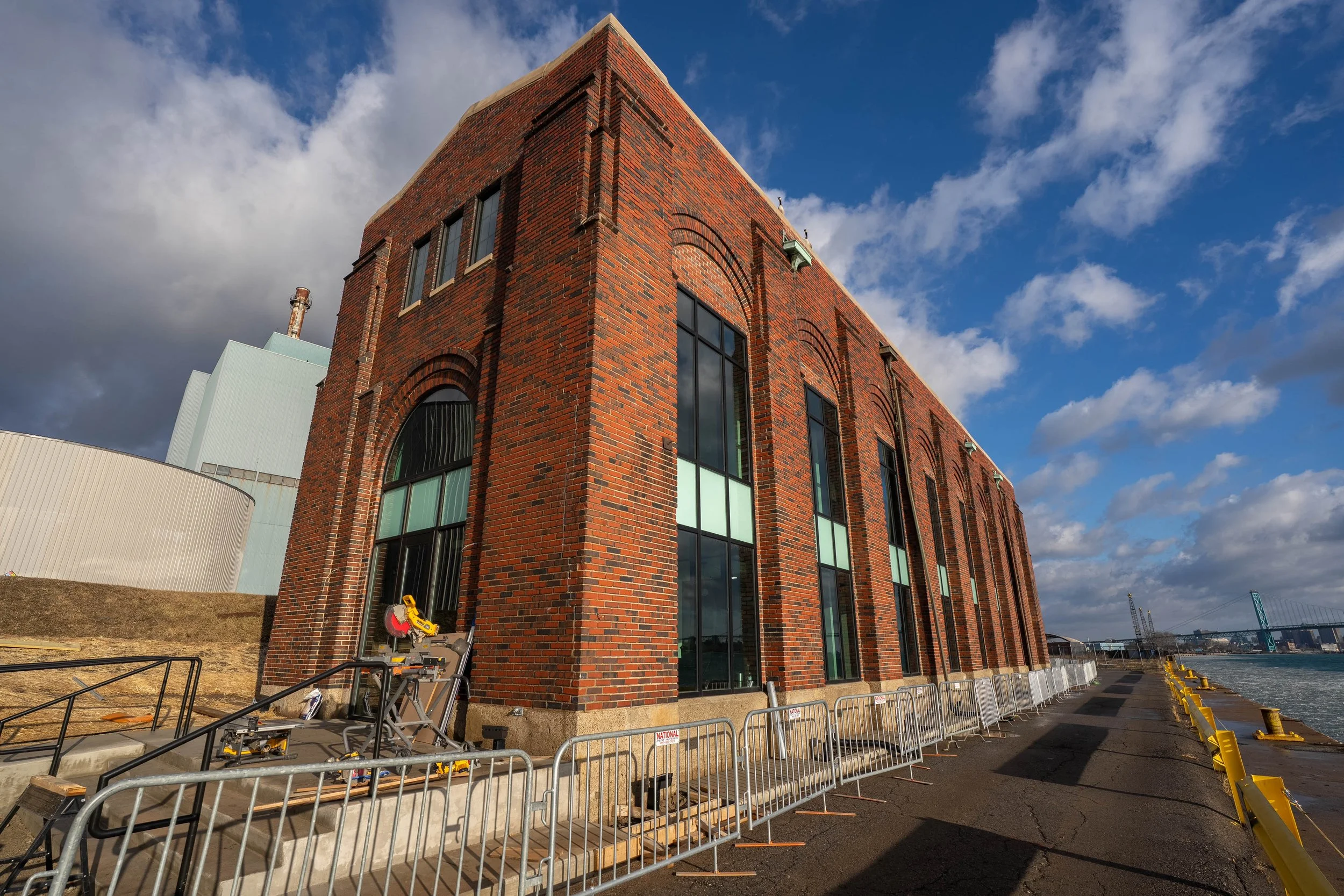
Premier Construction & Design is pleased to showcase our recent project in Corktown, Detroit, a testament to our commitment to realizing our clients' visions. This undertaking involved more than just construction; it was about integrating Design + Build processes and collaborating closely with the owners to create a unique entertainment destination that embodies the vibrant spirit of this revitalized neighborhood.

Sustainability continues to be a driving force in modern office design, with companies prioritizing eco-friendly materials, energy-efficient solutions, and biophilic elements to create healthier, more efficient work environments. By adopting these trends, businesses can reduce their carbon footprint while fostering employee well-being and productivity.

As we celebrate the New Year, we wanted to share some of the exciting projects from 2024 as we look forward to the projects we have slated for 2025!

As businesses that are focused on all things cutting edge and innovative, tech companies have often been seen as trendsetters in the world of office design. Offices for companies like Google and Facebook have been credited for driving demand for things like open plan layouts, casual atmospheres, and fun amenities like game rooms. But, as is the case for businesses in many other industries, tech companies can have some unique challenges to deal with when it comes to design.

Our January Palette of the Month ushers in the new year with a burst of energy and creativity. This vibrant collection combines bold textures, dynamic colors, and eye-catching patterns to create spaces that are both playful and sophisticated.
