


Healthcare is one of the most active categories of capital investment in Michigan right now, and the construction behind it looks different than it did a decade ago. Health systems across the state are investing heavily in new towers, outpatient centers, and specialty facilities, and the shape of that investment tells owners and developers something important about where the next wave of healthcare construction opportunity actually sits.
The Investment Is Real, and It Is Broad
Major health systems in Southeast Michigan have multiple large capital projects underway simultaneously, from new inpatient towers in Detroit to regional hospital expansions and academic medical research facilities. This is not a single institution making one large bet. It is a sector-wide pattern of health systems committing billions of dollars collectively to modernizing and expanding their physical footprint, even as the same institutions face real financial pressure from rising costs and reimbursement challenges. The construction activity and the financial pressure are not contradictory. Health systems are investing in the facilities that let them compete for patients and specialists, even while managing tighter margins everywhere else.
Outpatient Is Growing Faster Than Inpatient
The more important trend for most commercial construction owners is not the billion-dollar hospital tower. It is the shift toward outpatient and ambulatory care. As healthcare delivery continues to move toward outpatient settings, health systems are building and leasing smaller-footprint clinics, ambulatory surgery centers, and specialty practices throughout the suburbs, not just at the flagship hospital campus. This is where the construction opportunity is broadest: medical office buildings, tenant improvement projects inside existing commercial buildings, and purpose-built outpatient facilities in growing suburban corridors.
"The billion-dollar tower gets the headline. The outpatient clinic going into a suburban medical office building is where most of the actual healthcare construction opportunity lives." Premier Construction & Design
Why Healthcare Construction Is a Different Discipline
Healthcare projects, even relatively modest outpatient buildouts, carry execution requirements that standard commercial tenant improvement work does not. Infection control during construction is a formal, documented process, not a best practice. Life-safety code compliance in occupied or partially occupied medical buildings requires a level of phasing discipline that most general contractors outside the sector have not built. Medical equipment coordination often involves vendors and installation timelines that sit outside the standard subcontractor bid process entirely, and a construction schedule that does not account for that coordination will slip.
Owners evaluating a general contractor for a healthcare project should ask specifically about direct experience in occupied medical buildings, not just general commercial experience. The gap between a contractor who has done this work and one who has not shows up in ways that are expensive to fix after the fact.
What Owners Planning a Healthcare Project Should Know
Three things matter most for owners with a healthcare project in planning. First, engage a construction partner during design, particularly for infection control and phasing planning if the project is inside or adjacent to an occupied facility. Second, build in lead time for medical equipment and specialty systems separately from standard construction procurement, since those timelines are frequently controlled by vendors outside the GC's direct schedule. Third, budget realistically for the code and life-safety requirements specific to medical occupancy, which are more stringent than a standard commercial buildout and are not a place to look for cost savings.
How Premier Approaches Healthcare Construction
Premier Construction and Design brings the same preconstruction discipline to healthcare projects that we bring across every sector we work in, with the added rigor that occupied medical environments require. If you have a healthcare or medical office project in Southeast Michigan, at any stage, reach out to our team directly.





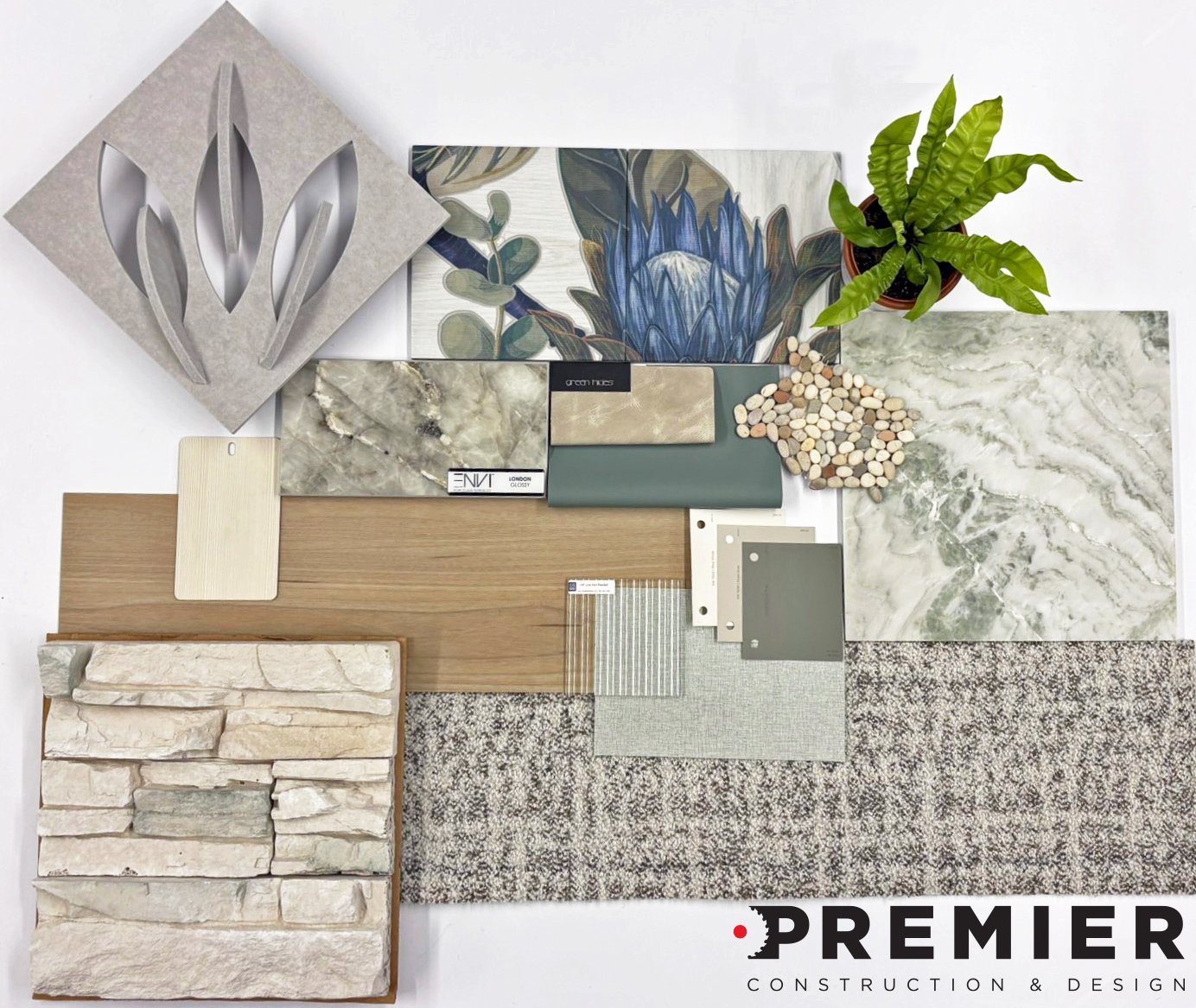
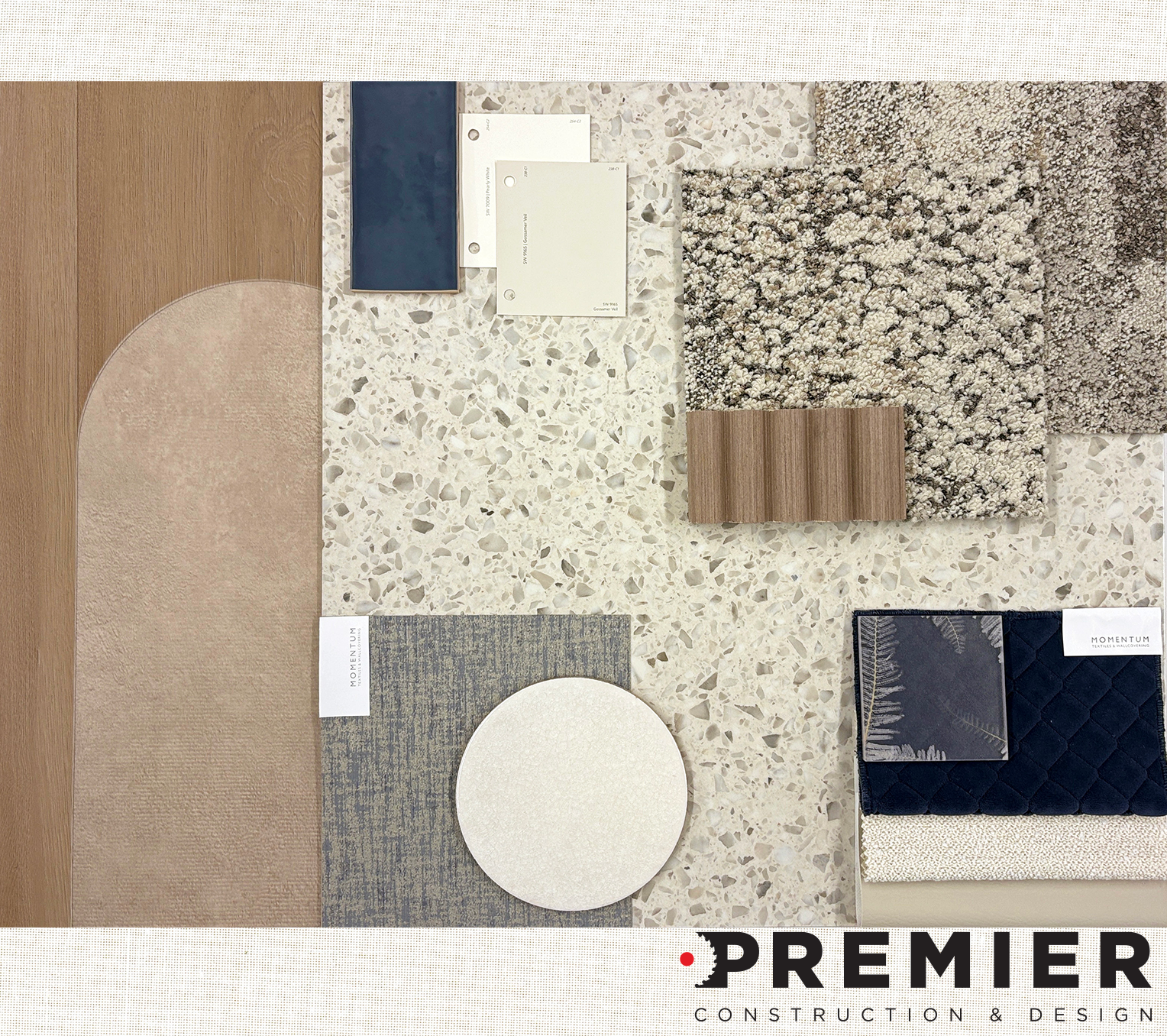
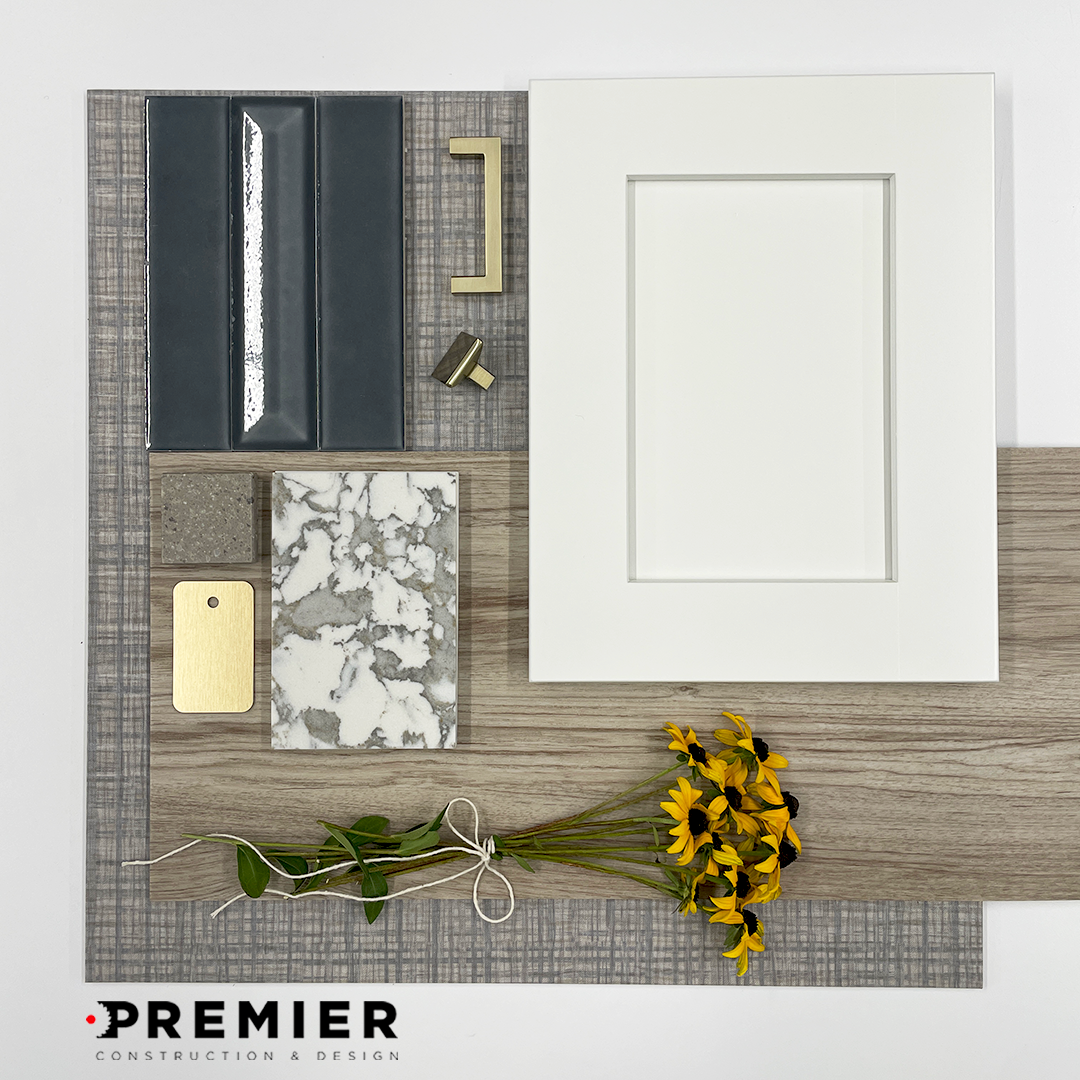
This muted palette blends soft blues and golds with clean white and natural wood grains. It’s perfect for creating interiors that evoke calm and comfort as the weather cools into autumn.

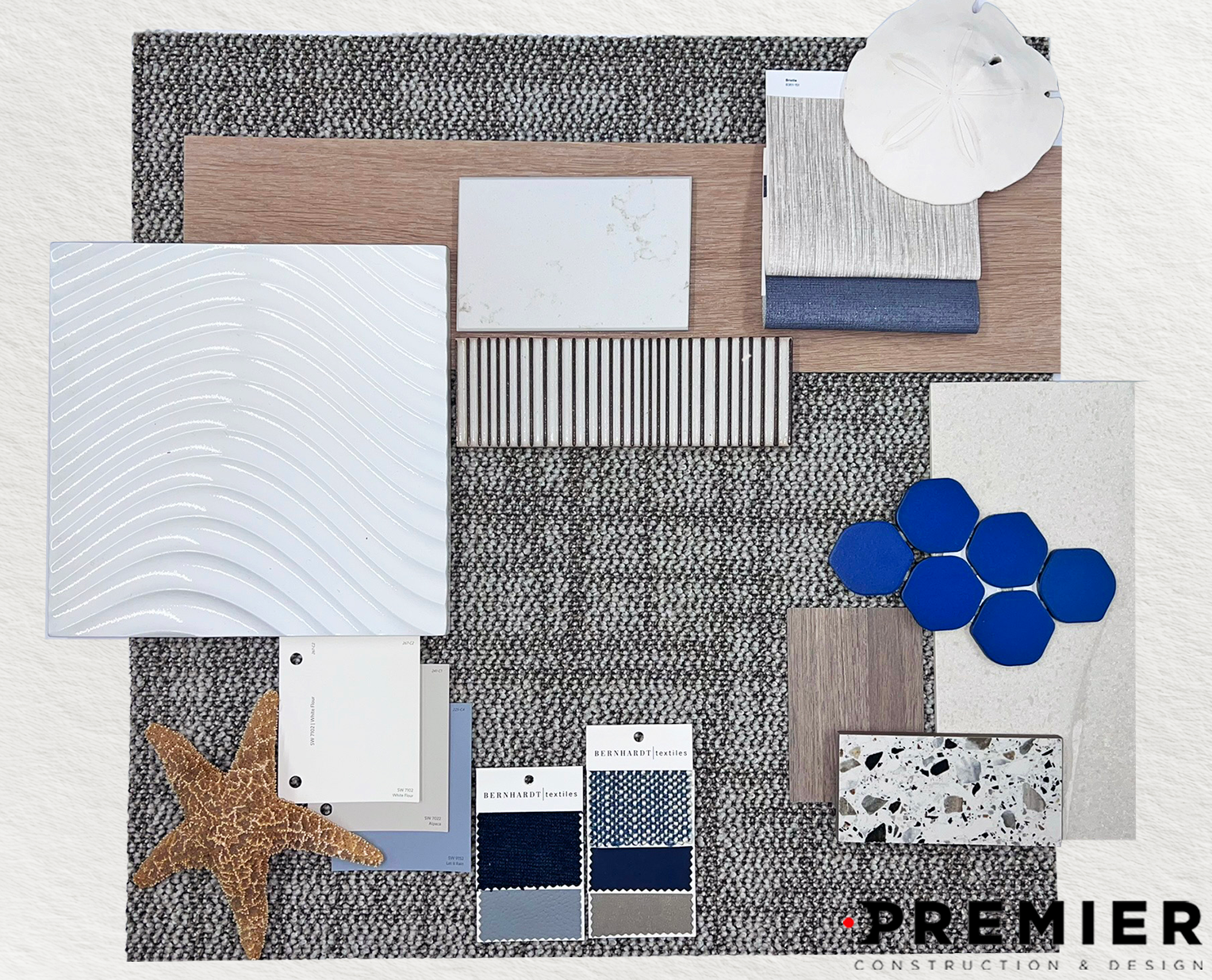
Sailing into summer with a relaxing feel. A combination of organic shapes, cool tone hues, and engaging textures can help to create a pleasant and tranquil ambiance.



Embracing everything spring has to offer. From subtle greens and light wood tones to playful textures and patterns. We're ready for the spring season!

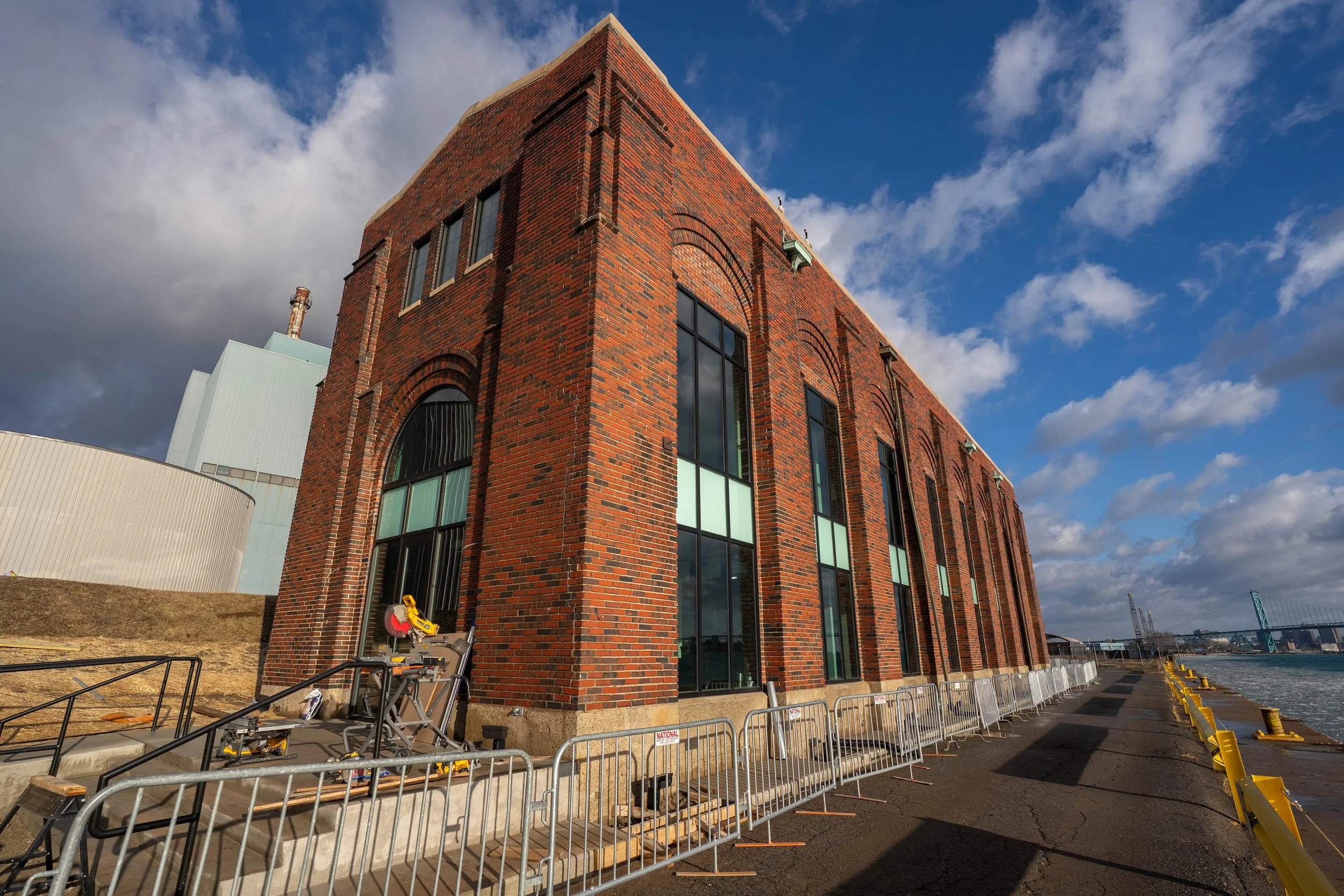
Premier Construction & Design is pleased to showcase our recent project in Corktown, Detroit, a testament to our commitment to realizing our clients' visions. This undertaking involved more than just construction; it was about integrating Design + Build processes and collaborating closely with the owners to create a unique entertainment destination that embodies the vibrant spirit of this revitalized neighborhood.

Sustainability continues to be a driving force in modern office design, with companies prioritizing eco-friendly materials, energy-efficient solutions, and biophilic elements to create healthier, more efficient work environments. By adopting these trends, businesses can reduce their carbon footprint while fostering employee well-being and productivity.

As we celebrate the New Year, we wanted to share some of the exciting projects from 2024 as we look forward to the projects we have slated for 2025!

As businesses that are focused on all things cutting edge and innovative, tech companies have often been seen as trendsetters in the world of office design. Offices for companies like Google and Facebook have been credited for driving demand for things like open plan layouts, casual atmospheres, and fun amenities like game rooms. But, as is the case for businesses in many other industries, tech companies can have some unique challenges to deal with when it comes to design.

Our January Palette of the Month ushers in the new year with a burst of energy and creativity. This vibrant collection combines bold textures, dynamic colors, and eye-catching patterns to create spaces that are both playful and sophisticated.
