

Michigan's New Concrete Construction Safety Rules Are Now in Effect. What Owners and GCs Need to Know
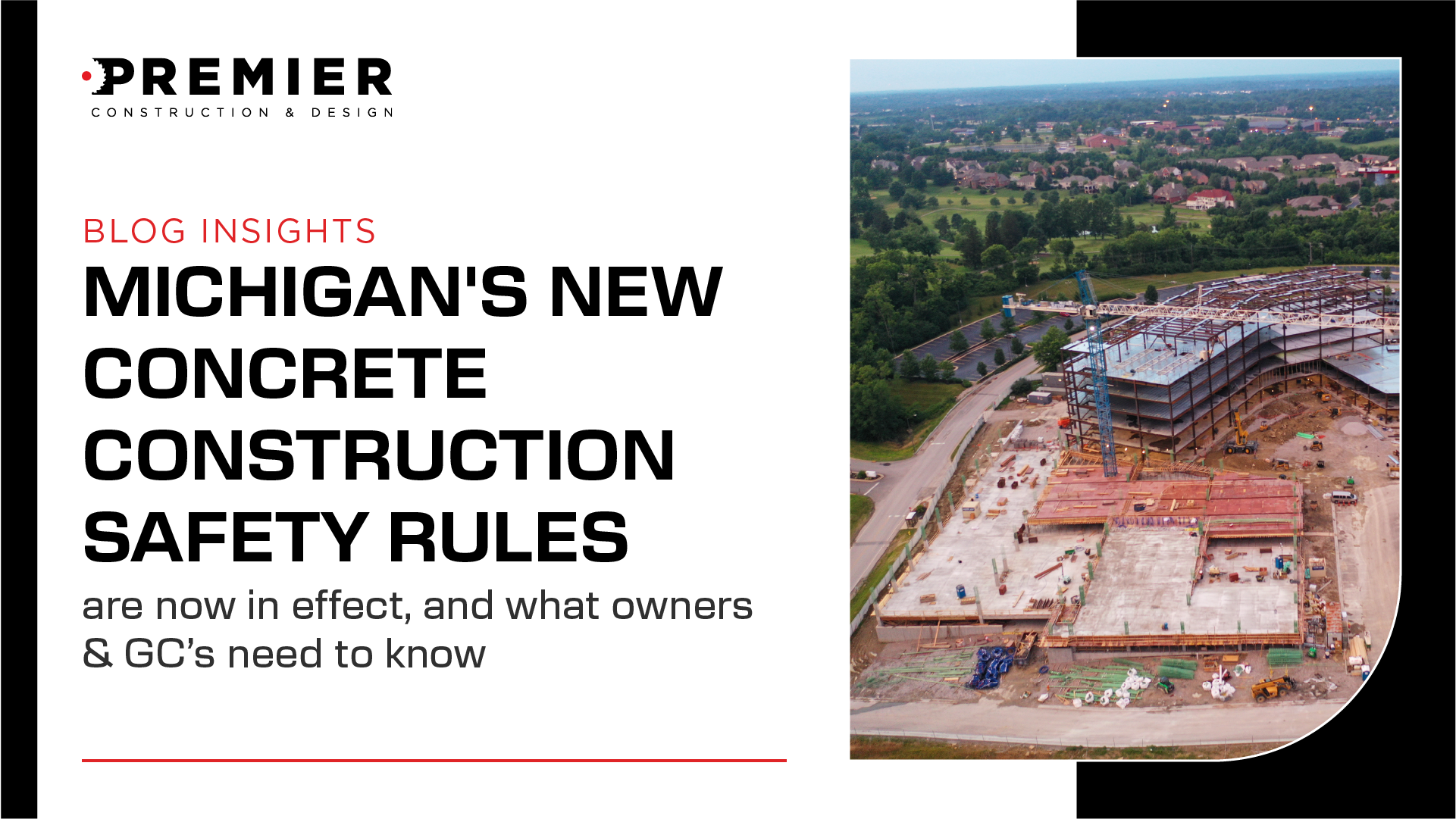
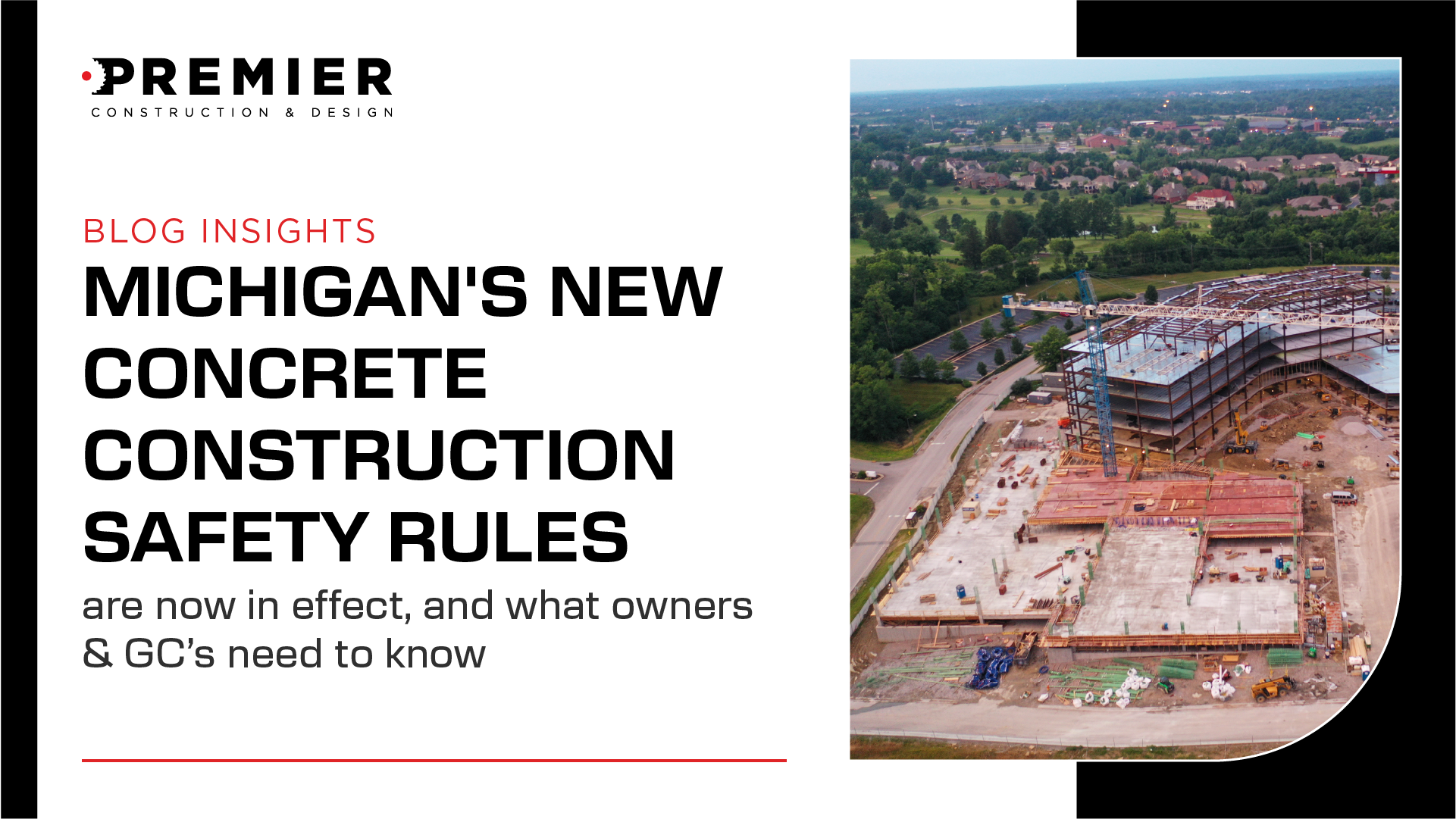
Michigan's updated concrete construction safety standard moved from adopted to enforced this month. The revised rules, part of the state's Construction Standard covering concrete work, were finalized earlier this year, and the state gave employers a compliance window before enforcement began. That window has now closed. As of this week, every jobsite in Michigan with active concrete scope needs to be operating under the new requirements, not preparing to.
What Actually Changed
The updated standard introduces stricter, more explicit requirements in a few specific areas. Employers now need to verify and document that workers have received task-specific training on concrete hazards from a qualified individual, not just general safety orientation. The rules also clarify support and stability requirements for reinforcing steel on active sites, an area that has historically been a source of ambiguity and inconsistent practice. And site access and layout controls around active concrete work have been tightened, with clearer requirements for how those zones are managed and who is authorized to be in them.
None of these changes are dramatic on their own. Taken together, they raise the documentation and process bar for any contractor doing concrete work in the state, and they close some of the gray areas that made compliance inconsistent across the industry.
Why This Matters to Owners, Not Just Contractors
It is tempting for an owner to treat a jobsite safety standard as entirely the general contractor's responsibility, and legally, the direct compliance obligation does sit with the employer. But a safety incident on an active project, particularly one connected to a documented gap in a known standard, does not stay the contractor's problem. It stops work, triggers an investigation, and can extend a schedule by weeks regardless of where fault ultimately lands. An owner with a project involving structural concrete work has a direct financial interest in knowing that their general contractor's compliance program is real and current, not just referenced in a safety manual that has not been updated.
Questions Worth Asking Your General Contractor Now
Can you show documentation of task-specific concrete hazard training for the crews on my project, not just general site safety training?
How has your reinforcing steel support and stability process changed to reflect the updated standard?
What has changed about your site access and layout controls around active concrete work?
Who on your team owns compliance verification, and how often is it checked?
How Premier Approaches Jobsite Safety
Premier Construction and Design updated our concrete construction safety documentation and training protocols ahead of the enforcement date, not after it. Safety compliance on our jobsites is treated as a standing operational requirement, not a response to a regulatory deadline. If you have a project with structural concrete scope and want to understand how your current general contractor's compliance program measures up, reach out to our team directly.




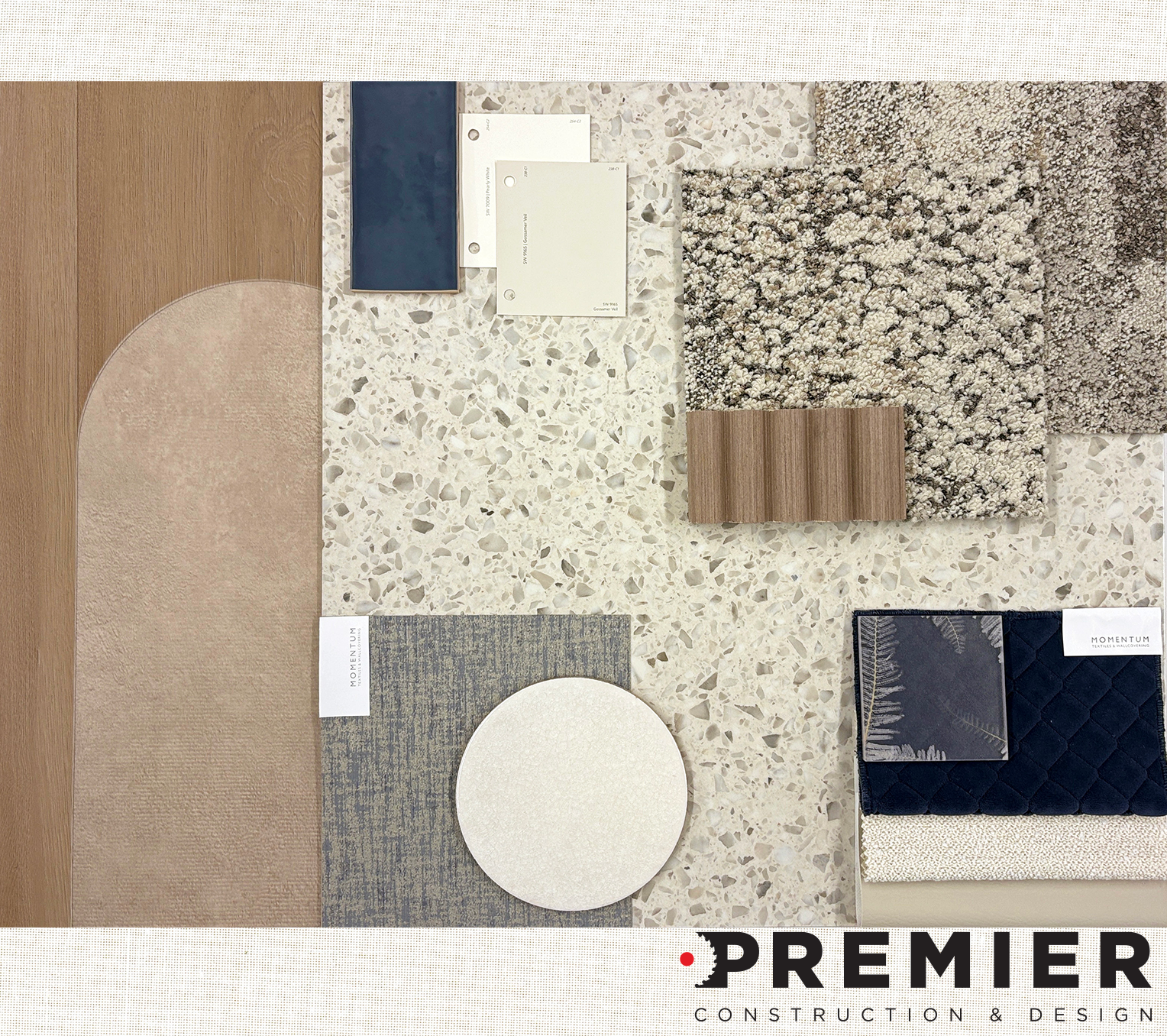
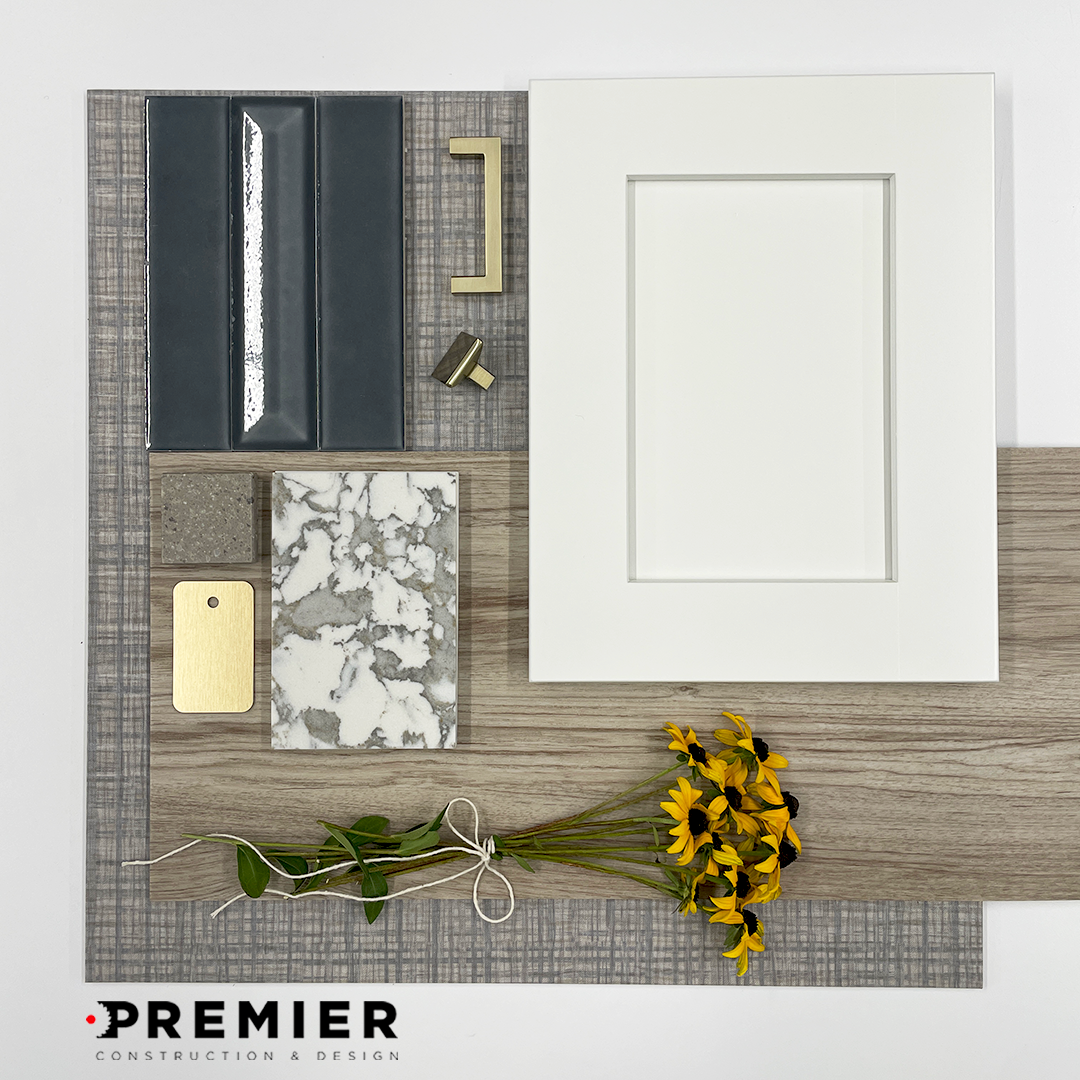
This muted palette blends soft blues and golds with clean white and natural wood grains. It’s perfect for creating interiors that evoke calm and comfort as the weather cools into autumn.

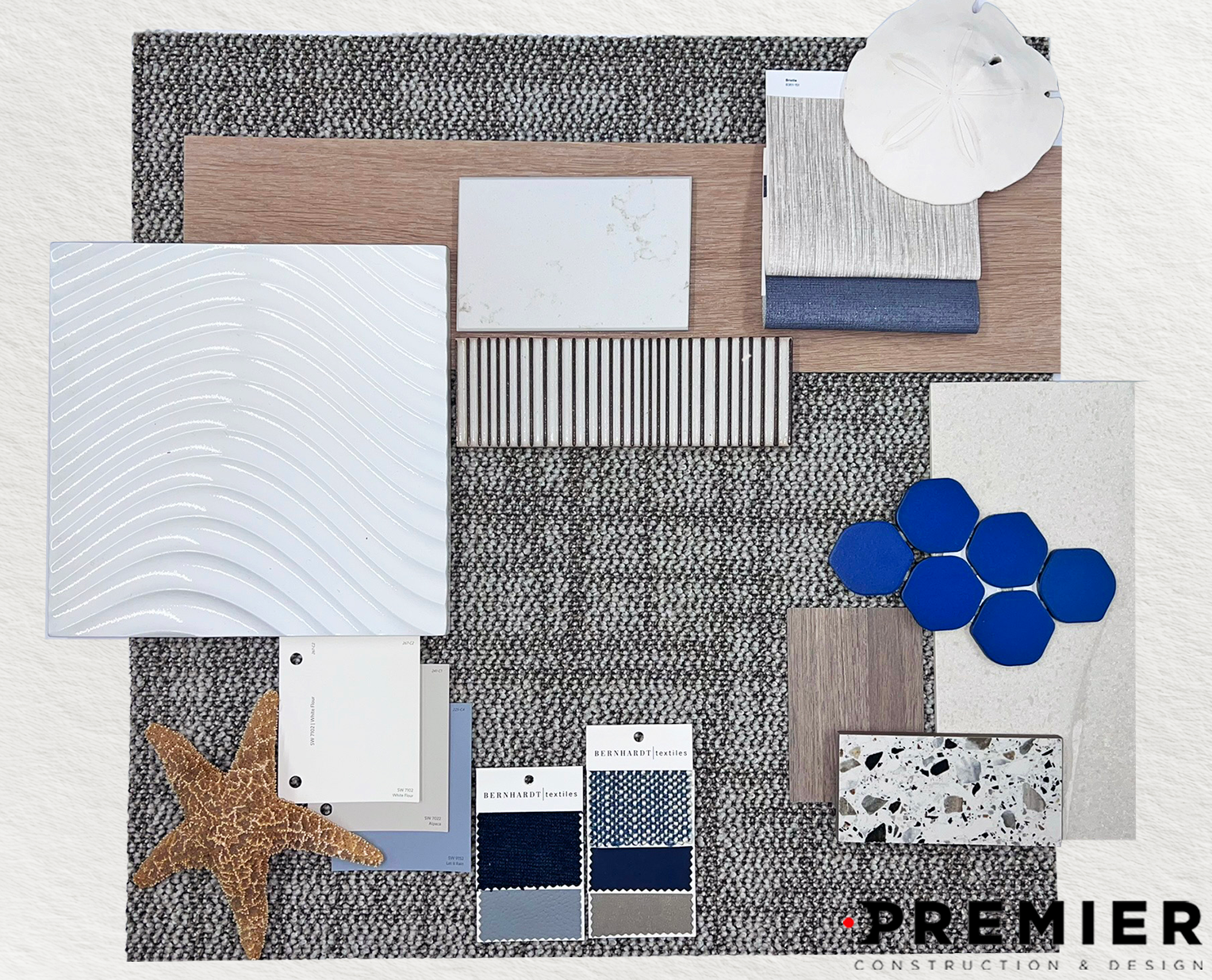
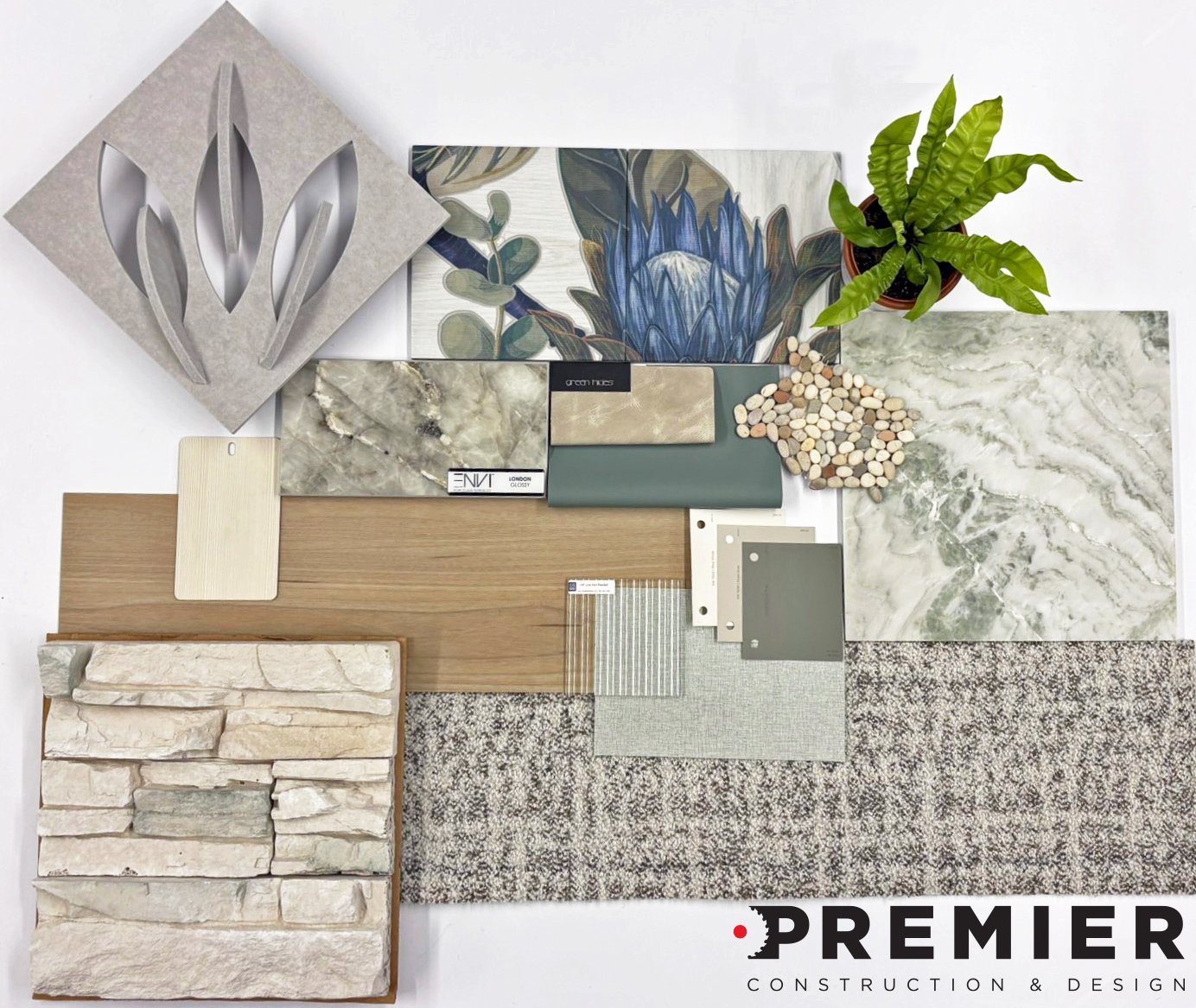
Sailing into summer with a relaxing feel. A combination of organic shapes, cool tone hues, and engaging textures can help to create a pleasant and tranquil ambiance.



Embracing everything spring has to offer. From subtle greens and light wood tones to playful textures and patterns. We're ready for the spring season!

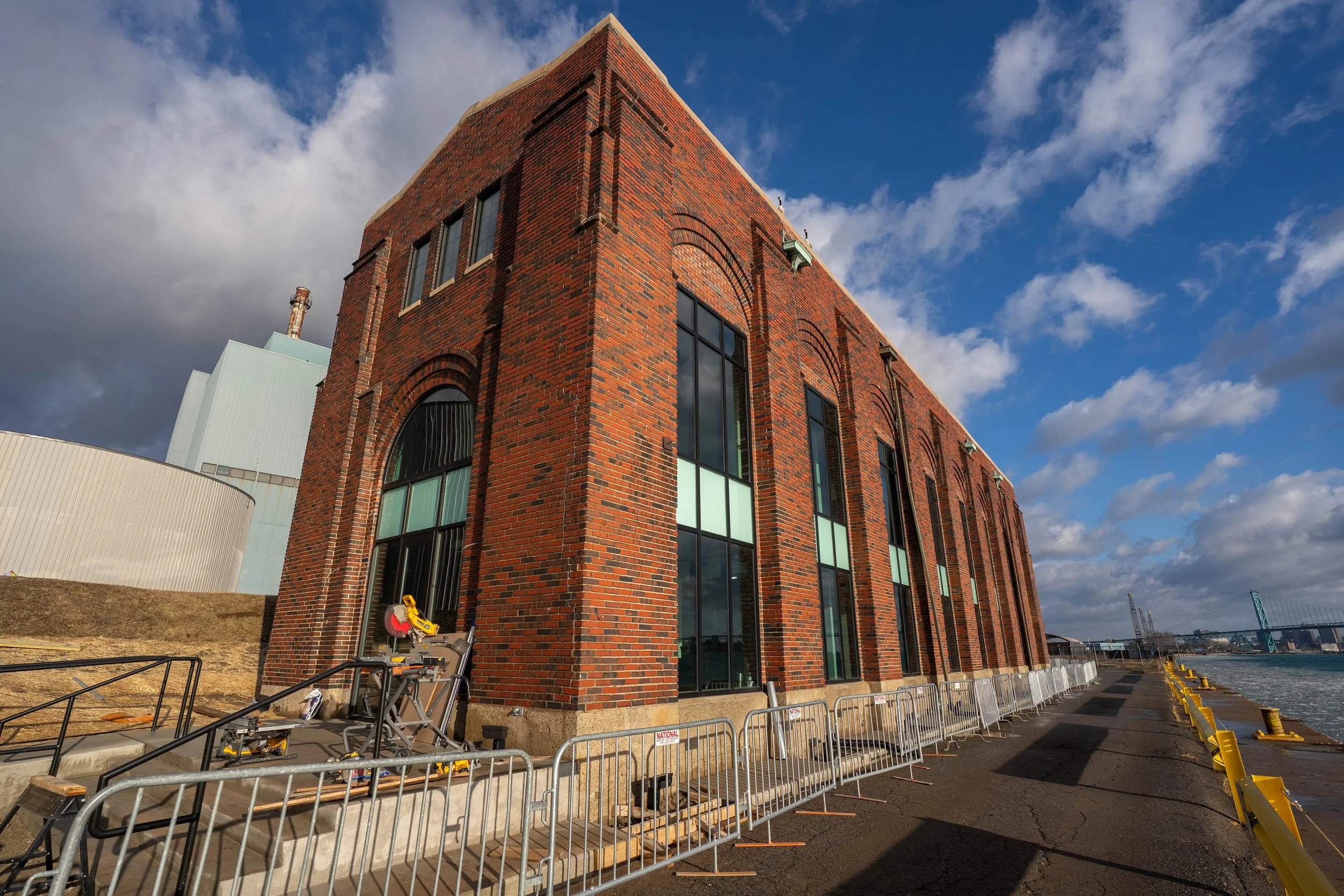
Premier Construction & Design is pleased to showcase our recent project in Corktown, Detroit, a testament to our commitment to realizing our clients' visions. This undertaking involved more than just construction; it was about integrating Design + Build processes and collaborating closely with the owners to create a unique entertainment destination that embodies the vibrant spirit of this revitalized neighborhood.

Sustainability continues to be a driving force in modern office design, with companies prioritizing eco-friendly materials, energy-efficient solutions, and biophilic elements to create healthier, more efficient work environments. By adopting these trends, businesses can reduce their carbon footprint while fostering employee well-being and productivity.

As we celebrate the New Year, we wanted to share some of the exciting projects from 2024 as we look forward to the projects we have slated for 2025!

As businesses that are focused on all things cutting edge and innovative, tech companies have often been seen as trendsetters in the world of office design. Offices for companies like Google and Facebook have been credited for driving demand for things like open plan layouts, casual atmospheres, and fun amenities like game rooms. But, as is the case for businesses in many other industries, tech companies can have some unique challenges to deal with when it comes to design.

Our January Palette of the Month ushers in the new year with a burst of energy and creativity. This vibrant collection combines bold textures, dynamic colors, and eye-catching patterns to create spaces that are both playful and sophisticated.

It’s hard to believe that 2025 is already just around the corner! Instead of looking back at the past year, we wanted to take a moment to look at what’s ahead. We’re already seeing signs of what some of the key office design trends will be in the new year. If you’re planning an office update in the near future, here are some trends you might want to keep in mind.

Glass walls are a very popular office feature for many good reasons. If you want to create space definition and add a sense of privacy without making the office feel too closed off, glass walls are a very effective way to do just that. Glass walls also help maximize access to natural lighting, can help keep noise levels under control, and can look very stylish. But if you’re interested in having glass walls in your office, there are a few different types to consider.

Our December Palette of the Month embodies excitement and sparkle as we embrace the holiday spirit. Enjoy this warmhearted palette as we prepare for the winter months!

Our November Palette of the Month evokes seasonal emotions and celebrates traditional autumnal hues with delightful, rich textiles and classic materials.

When you’re in the process of planning an office renovation, one important feature to think about is the flooring for your new space.

Our November Palette of the Month evokes seasonal emotions and celebrates traditional autumnal hues with delightful, rich textiles and classic materials.
