

Preparing Your Commercial Project for a Michigan Winter
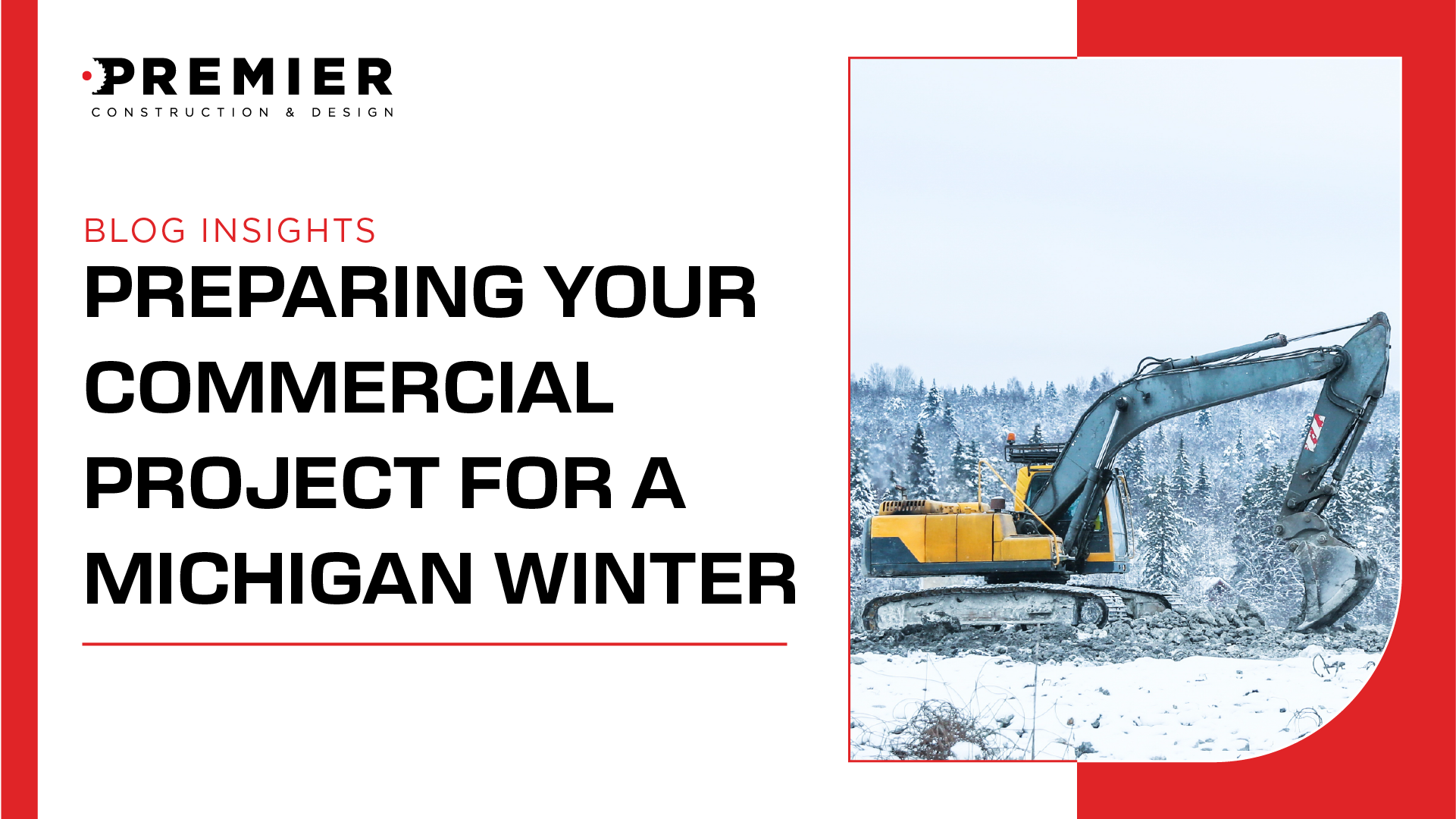
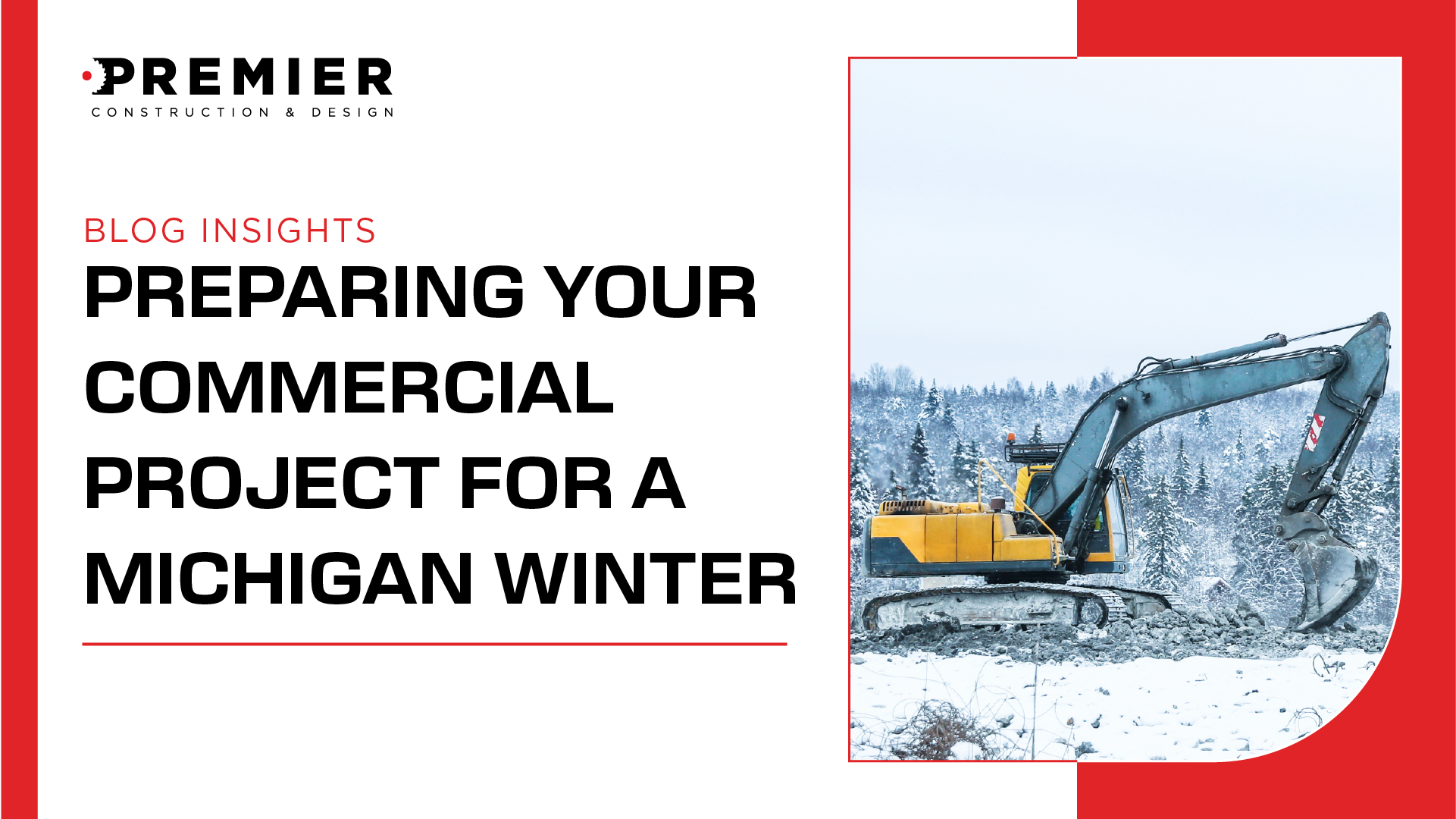
The decisions that determine whether a Southeast Michigan construction project stays on schedule through winter get made in October, not December. By the time the temperature actually drops, the equipment and planning that protect a schedule either exist or they do not. For owners with an active project heading into the fourth quarter, here is what should already be happening.
Enclosure Timing Is the First Decision, Not an Afterthought
Getting a building weather-tight, meaning the exterior envelope is closed enough to control interior temperature, is the single biggest factor in whether interior work can continue productively through winter. A project that reaches a weather-tight milestone before the hard freeze can keep interior trades, drywall, mechanical, electrical, finishes, moving on a normal schedule regardless of what is happening outside. A project still working on the exterior envelope in December is fighting the weather for every remaining exterior task, and that fight shows up as schedule slippage that is difficult to recover.
Temporary Heat and Enclosure Equipment Gets Scarce Fast
Every general contractor in the region needs the same temporary heating equipment and enclosure material once winter actually arrives, and rental supply does not expand to meet that seasonal spike. Contractors who reserve temporary heat and enclosure equipment in October are working through the winter as planned. Contractors who wait until the first cold snap are competing for whatever is left. If a project has exterior work planned into November or December, confirming that this equipment is already reserved, not assumed to be available, is worth asking about directly.
Concrete Placement Requires Real Planning, Not Just Extra Time
Cold weather concrete placement is a well-understood discipline, heated enclosures, insulated blankets, adjusted mix designs, and monitored cure temperatures, but it requires planning ahead rather than reacting once temperatures drop. A concrete pour scheduled without cold-weather protocols in place risks compromised strength and finish quality, not just a slower schedule. Any foundation, slab, or structural concrete work planned for late fall or winter should have its cold-weather placement plan finalized well before the pour date, not decided the week of.
Material Lead Times Do Not Pause for Winter
Material procurement decisions made in October affect whether a project has what it needs on site when winter conditions make deliveries and staging harder to manage. Long-lead items intended for installation in January or February should already be on order, both to protect against broader supply timelines and to avoid the added complexity of coordinating deliveries during winter weather.
Questions Worth Asking Your General Contractor Now
What is the target date for the building to be weather-tight, and is that date realistic given current progress?
Is temporary heat and enclosure equipment already reserved for this project?
Does any concrete work planned for the coming months have a cold-weather placement plan finalized?
Are long-lead materials for winter installation already on order?
How Premier Plans for Winter
Premier Construction and Design builds winter planning into the schedule from the start of every project with exterior work extending into the fourth quarter, rather than reacting once the weather turns. If you have a project with work planned through this winter and want a straight read on where it stands, reach out to our team directly.




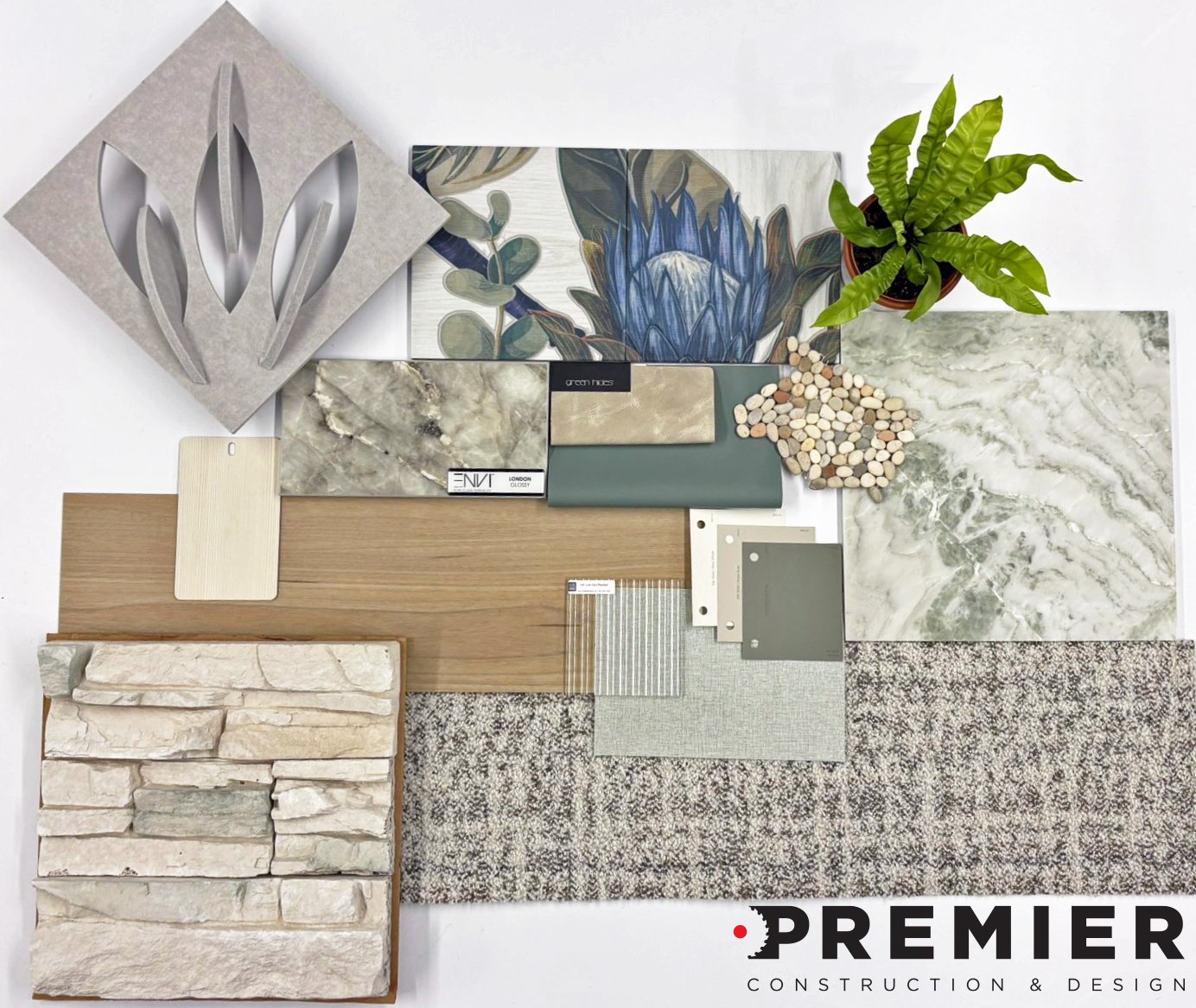
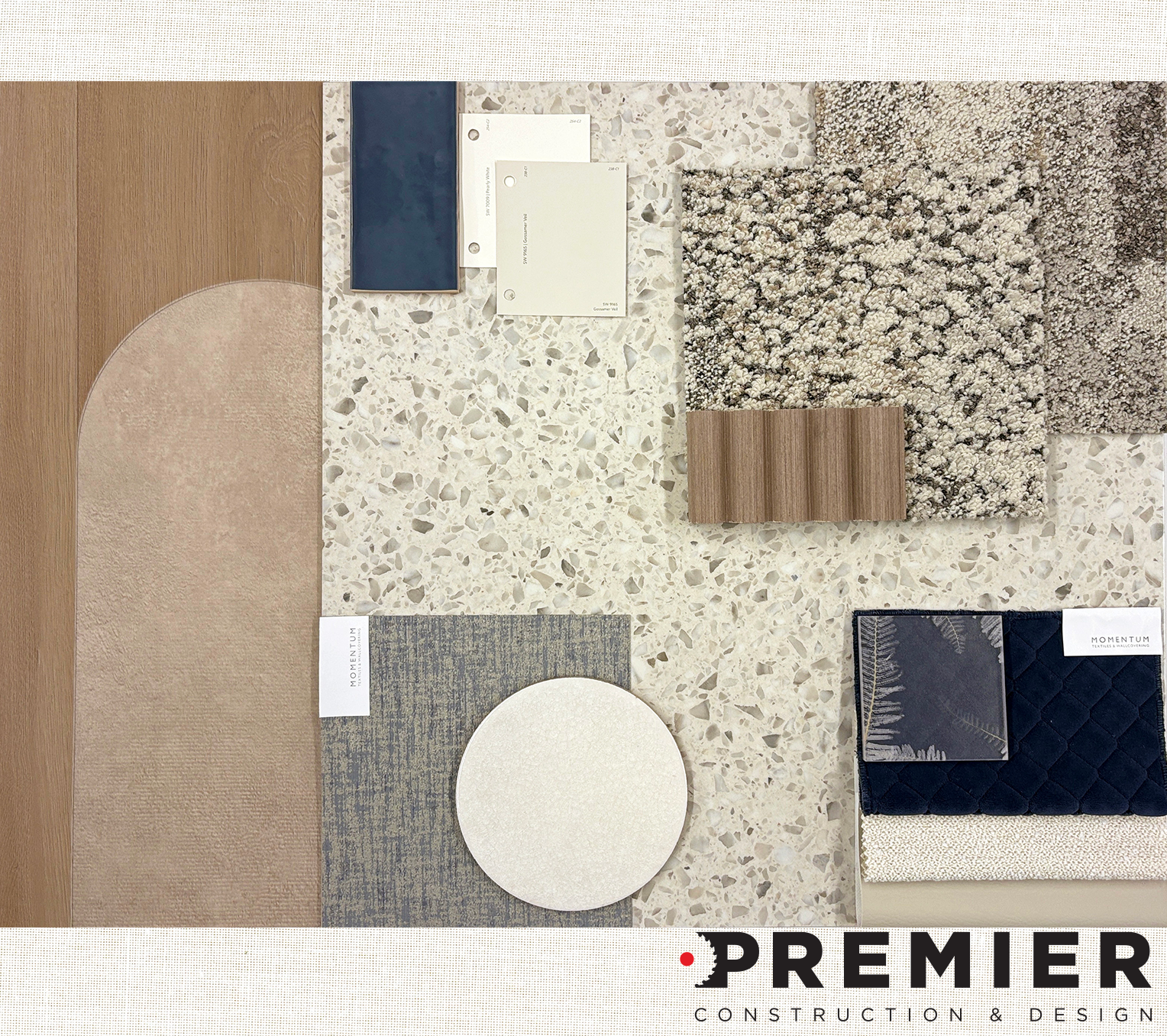
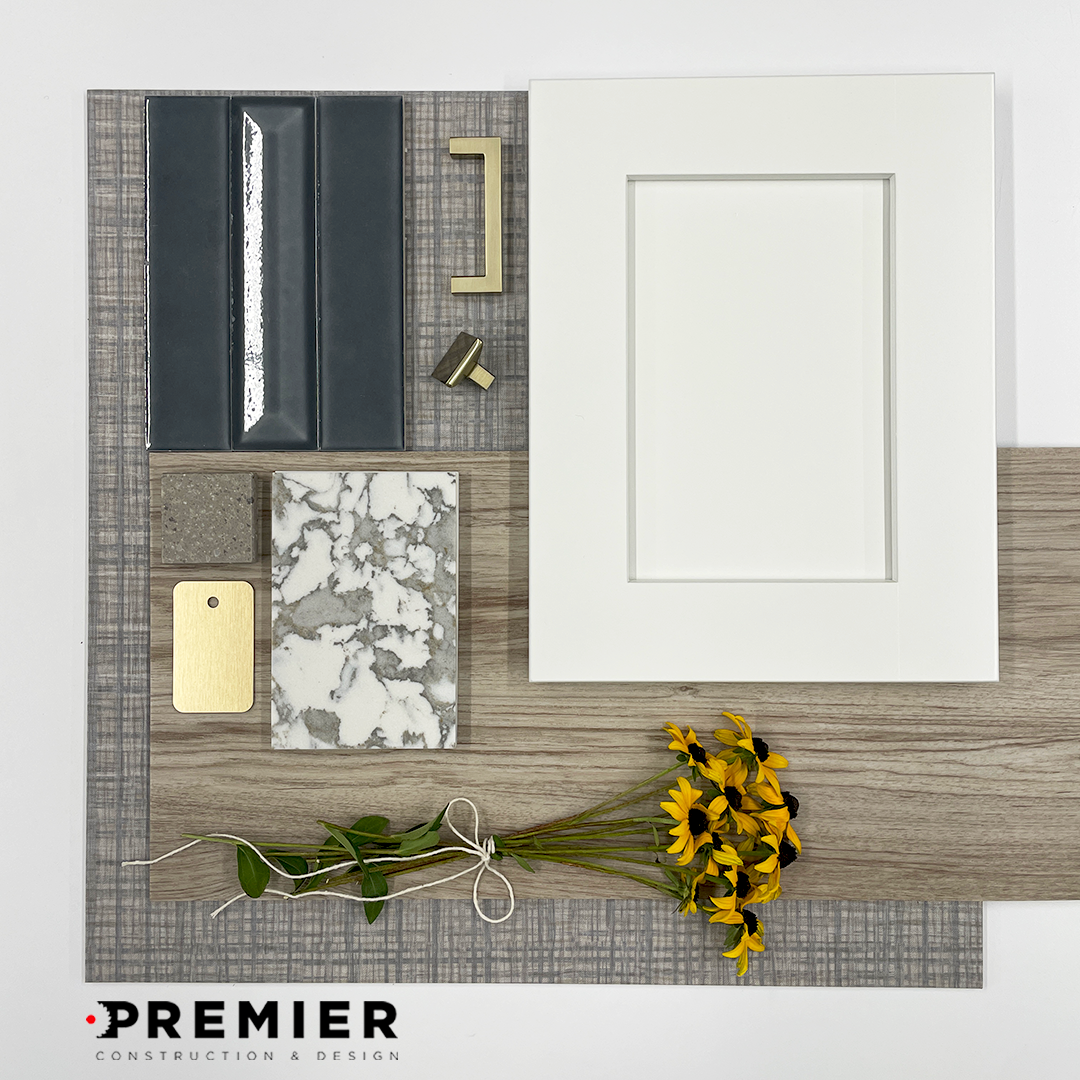
This muted palette blends soft blues and golds with clean white and natural wood grains. It’s perfect for creating interiors that evoke calm and comfort as the weather cools into autumn.

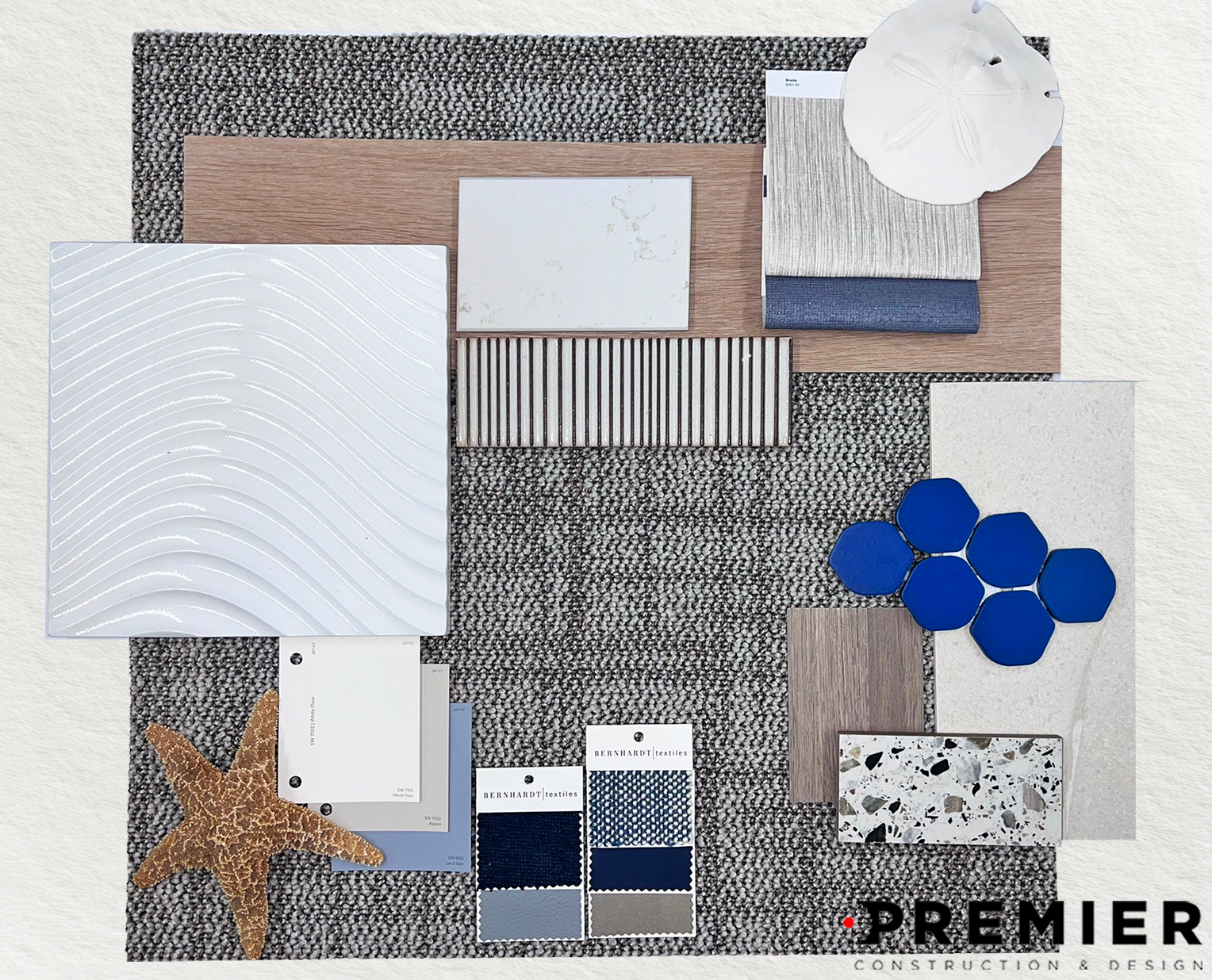
Sailing into summer with a relaxing feel. A combination of organic shapes, cool tone hues, and engaging textures can help to create a pleasant and tranquil ambiance.



Embracing everything spring has to offer. From subtle greens and light wood tones to playful textures and patterns. We're ready for the spring season!

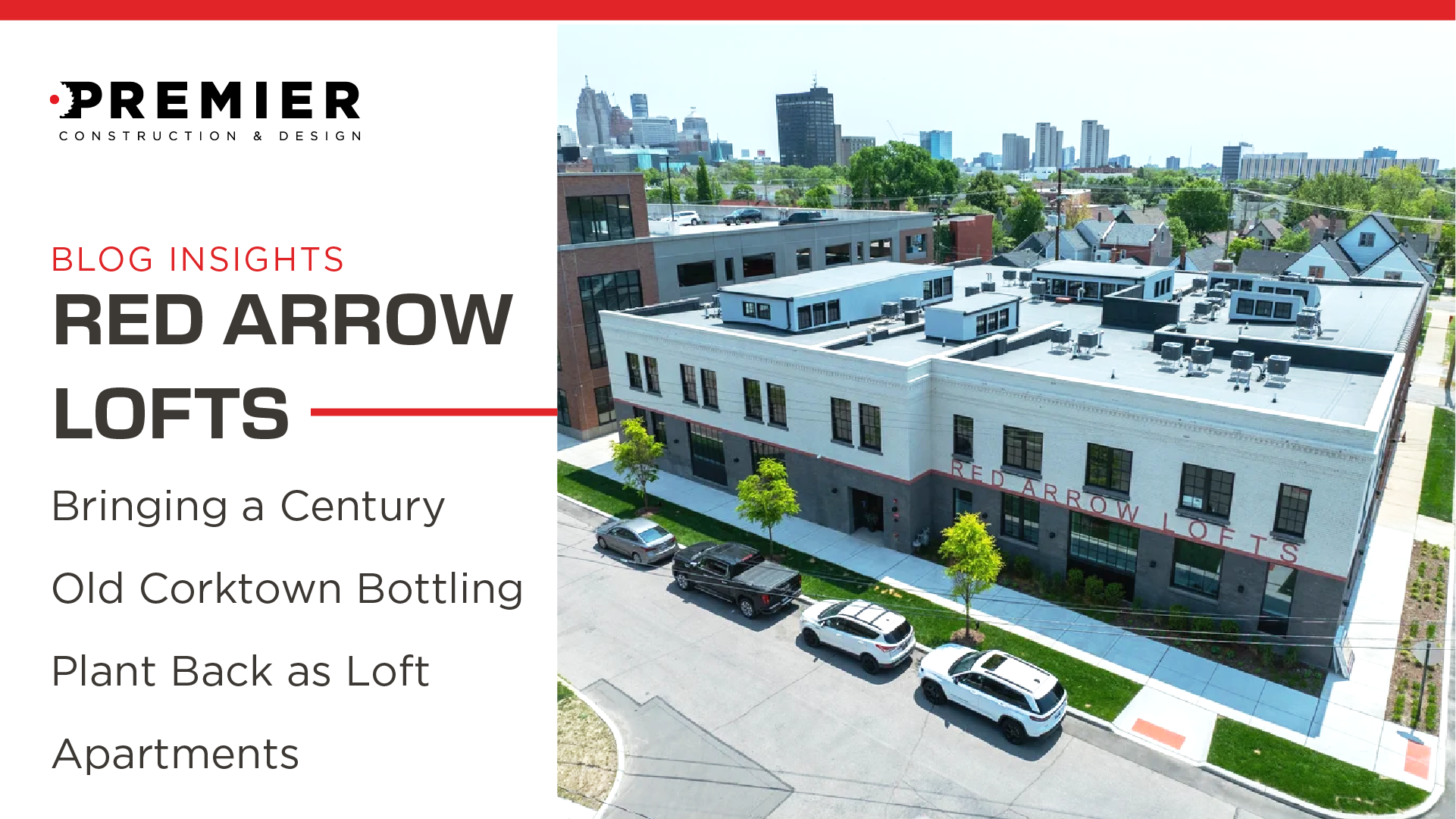
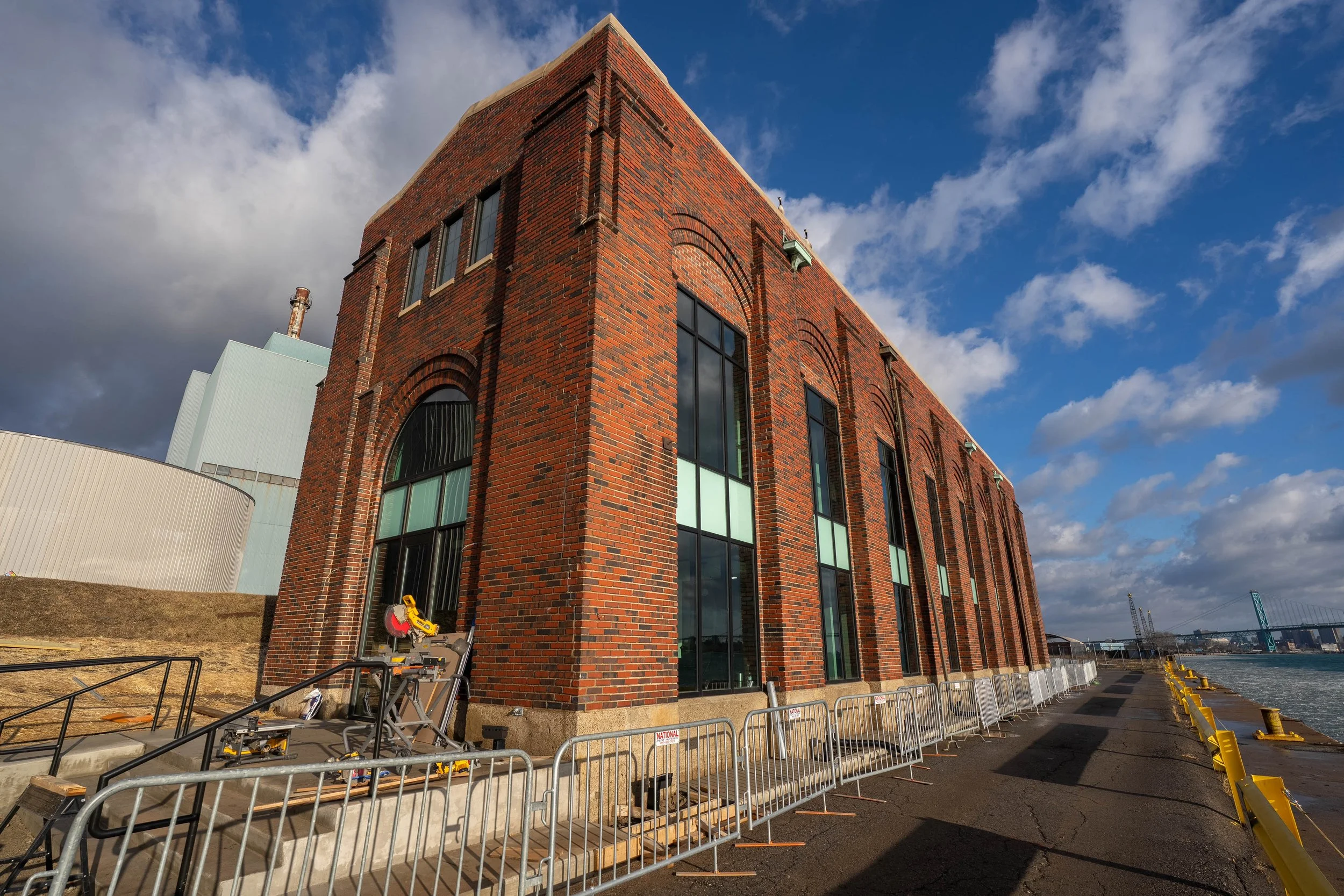
Premier Construction & Design is pleased to showcase our recent project in Corktown, Detroit, a testament to our commitment to realizing our clients' visions. This undertaking involved more than just construction; it was about integrating Design + Build processes and collaborating closely with the owners to create a unique entertainment destination that embodies the vibrant spirit of this revitalized neighborhood.

Sustainability continues to be a driving force in modern office design, with companies prioritizing eco-friendly materials, energy-efficient solutions, and biophilic elements to create healthier, more efficient work environments. By adopting these trends, businesses can reduce their carbon footprint while fostering employee well-being and productivity.

As we celebrate the New Year, we wanted to share some of the exciting projects from 2024 as we look forward to the projects we have slated for 2025!

As businesses that are focused on all things cutting edge and innovative, tech companies have often been seen as trendsetters in the world of office design. Offices for companies like Google and Facebook have been credited for driving demand for things like open plan layouts, casual atmospheres, and fun amenities like game rooms. But, as is the case for businesses in many other industries, tech companies can have some unique challenges to deal with when it comes to design.

Our January Palette of the Month ushers in the new year with a burst of energy and creativity. This vibrant collection combines bold textures, dynamic colors, and eye-catching patterns to create spaces that are both playful and sophisticated.

It’s hard to believe that 2025 is already just around the corner! Instead of looking back at the past year, we wanted to take a moment to look at what’s ahead. We’re already seeing signs of what some of the key office design trends will be in the new year. If you’re planning an office update in the near future, here are some trends you might want to keep in mind.
